Corylus americana
Common Name(s): American Filbert, American Hazelnut, Hazelnut
Previously known as: Corylus americana var. indehiscens
Phonetic Spelling
kor-EE-lus a-mer-ih-KAY-na
Planted by Mike Tummins early spring 2024.
Description
Cultivated in the US since the late 1700s, the common name is derived from ‘hazel’, which is an old English name for filbert. Corylus comes from the Greek word ‘korus’ which means ‘helmet’, referring to the shape of the hard nut shells.
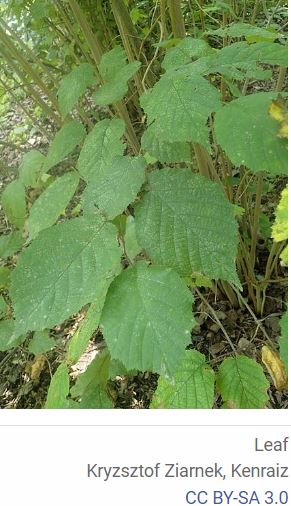
Hazelnut is a suckering, native deciduous shrub in the Betulaceae family that may grow 9 to 12 feet tall. It can be found naturally in rocky woodlands, forests, hillsides, pastures, and thickets. Its leaves are alternate with a double-toothed margin and hairy stem. The bark is gray-brown and smooth with a crisscross netted pattern. Its light brown, male flowers and red, female stigma and styles mature in early spring.
This medium to fast-growing plant can increase in height from 13-24″ annually. It has one central stem and will send up many auxiliary stems from the root system.
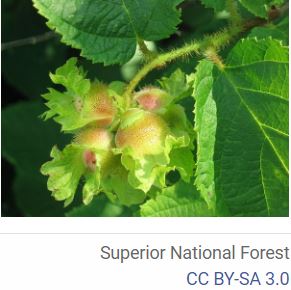
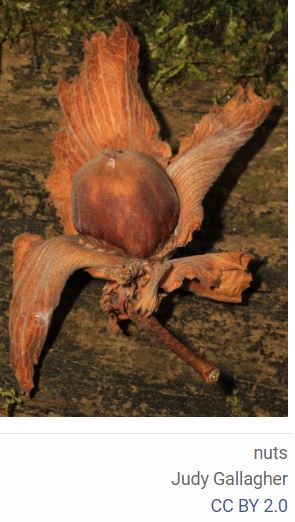
The shrub produces a 1/2-inch brown nut that is enclosed in a hairy, leaf-like husk with ragged edges. The nuts are edible at maturity in the fall, typically from September to October. The nuts are typically produced on plants that are 2-3 years old and older. For the best nut production, the plant should be grown in full sun. Harvesting can be done while the husks are still green. Once they turn tan, competition with the local wildlife will increase.
Pruning can be done year round. Spreading in the form of suckers from the roots should be thinned out to prevent or reduce thickets.
The female will produce red flowers, while the male will have yellowish-brown catkins. Catkins are pollen bearing clusters of long anthers that hang from the branches. They can be on the same plant, however, they are not self-fertile. Planting should be done in multiples to ensure that cross-pollination takes place.
Seasons of Interest:
Leaf: Fall Blooms: Winter/early spring Nut/Fruit/Seed: Late summer/fall
Insects, Diseases, and Other Plant Problems: Although there are no serious issues, this plant can be visited by Japanese beetles, scale, leaf hoppers, and various foliage-eating caterpillars. Has occasional problems with leaf spots, blight, and crown gall. This plant suffers moderate damage from deer. It is not salt tolerant.

 Dickson Tree Management & Beautification Board