
Carpinus caroliniana
Common Name(s): American Hornbeam, Blue Beech, Hornbeam, Ironwood, Musclewood, Muscle Wood, Water Beech
Phonetic Spelling
kar-PINE-us kair-oh-lin-ee-AN-uh
Description
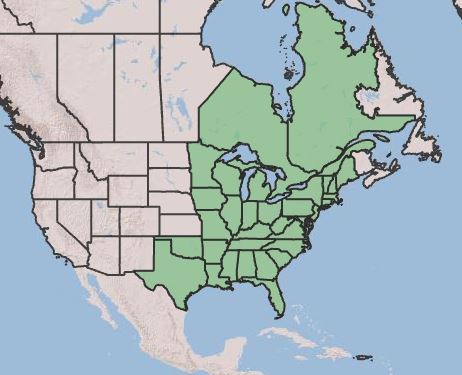
American hornbeam is a deciduous tree in the Betulaceae (birch) family native to the eastern U.S.A. It can be found naturally in areas with moist soil including streambanks, riverbanks, and maritime forests. The common name musclewood comes from the appearance of the smooth bark with bumps underneath resembling musles.
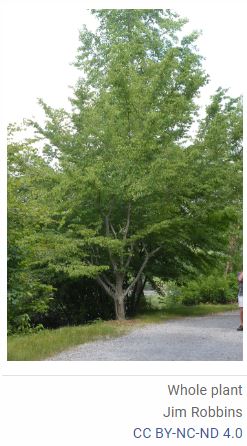
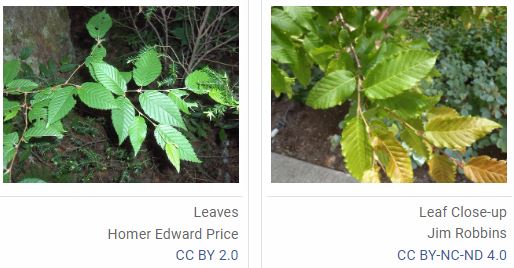
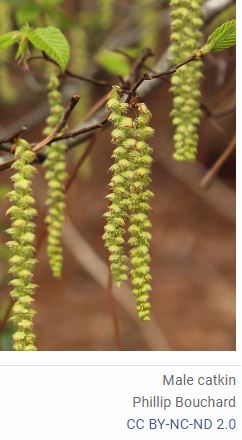
This medium sized tree may grow slowly 20 to 30 to feet tall and 20 to 35 feet wide. The leaves are alternate with a doubly toothed margin and turn an attractive orange-red color in the fall. In early spring, yellow-green, male and fuzzy, yellow-green, female flowers mature. The small tree produces a small, ribbed nutlet that is carried by a 3-lobed leafy bract. The American Hornbeam is a short, stubby tree that can have one or more trunks, each a foot wide and aesthetically pleasing. The bark is bluish-gray, thin, fairly smooth, and heavily fluted.
Plant in sandy or clay loams with high organic matter, regular moisture and slightly acidic soils. Does well in heavy shade and is found as an understory tree in forests. It is difficult to transplant and best moved in spring. This plant is moderately resistant to damage from deer but is especially sensitive to drought, heat, and soil compaction.
The extremely hard wood of this tree will, as the common name suggests, take a horn-like polish and was once used by early Americans to make bowls, tool handles, and ox yokes. Commercial use of hornbeam wood is not practical, however, due to the limited amount of wood per tree.
Use this adaptable tree in naturalized areas or along streams or ponds as well as in urban settings. This is a wildlife friendly tree perfect for a pollinator, children’s, or native garden acting as a larval host plant, food source for mammals and birds, and a cover plant. It is tolerant of drier sites, some sun, wind, and periodic flooding making it a candidate for a rain garden.
Quick ID Hints:
- alternate leaves, simple
- older bark is slate gray with muscle appearance
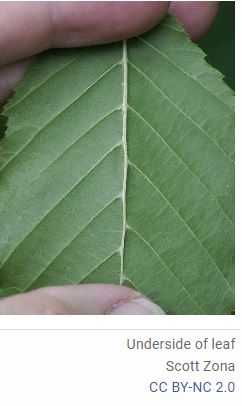
- leaves weakly doubly serrate, parallel veins
- inverted pins
- fruits a nutlet on 3-lobed bract, lobes basal
Insects, Diseases, or Other Plant Problems: Leaf spots, cankers, and twig blight are occasional disease problems of the American hornbeam.

 Dickson Tree Management & Beautification Board