Quercus velutina
Common Name(s): Black Oak, Eastern Black Oak, Yellow Oak
Previously known as: Quercus velutina var. missouriensis
Phonetic Spelling
KWER-kus ve-LU-ti-na
Description
Black oak is a native deciduous tree in the red oak group in the beech (Fagaceae) family found growing in eastern and central USA from Maine to Michigan south to Florida to Texas primarily on slopes of upland hills and ridges. The tree will grow 50-80 feet tall in the north and even taller in the southern ranges. Genus name comes from the Latin name for oak trees. The epithet (velutina) means velvety or hairy in reference to the fine hairs found on buds and young leaves. The common name comes from the bark color. The black oak is sometimes confused with the red oak and hybridization can occur between the two.
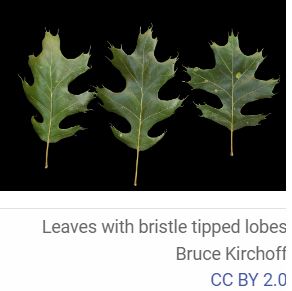
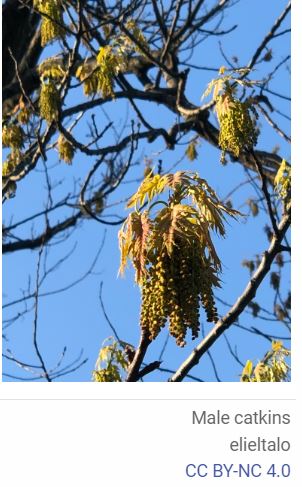
Black oak at maturity has nearly black bark with yellow inner bark. Blooms occur in spring with male catkins and short female spikes. The green leaves are deeply to shallowly lobed and turn yellow-brown or a dull red in winter. The acorn is rounded and nearly covered by half with the cap. As is most oak trees, this tree has a high-value wildlife rating and supports butterflies and moths, birds and mammals. It can live up to 200 years of age.
This tree grows best in full sun and prefers moist slightly acidic well-drained fertile soil. However, it is adaptable to soil types including deep loam, clay, rocky material or sand in moist to dry conditions. It is drought and poor soils tolerant.
Use this tree as a large shade tree, in parks and as a street tree. It is also useful in meadows, on slopes and other naturalized areas.
Insects, Diseases, or Other Plant Problems: The northern red oak has no serious insect or disease problems. It is susceptible to oak wilt and chlorosis (yellowing of the leaves while the veins remain green) which can occur when soil is not sufficiently acidic. Potential insect pests include carpenter worms, timber beetle, red oak borer, and chestnut borer. The most destructive is the gypsy moth that defoliates the trees. Nut weevils, filbert worms, and acorn moths cause damage to the acorns.



 Dickson Tree Management & Beautification Board