
Asimina triloba
Common Name(s): Common Pawpaw, Pawpaw
Phonetic Spelling
ah-SIH-min-ah trih-LO-bah
Description
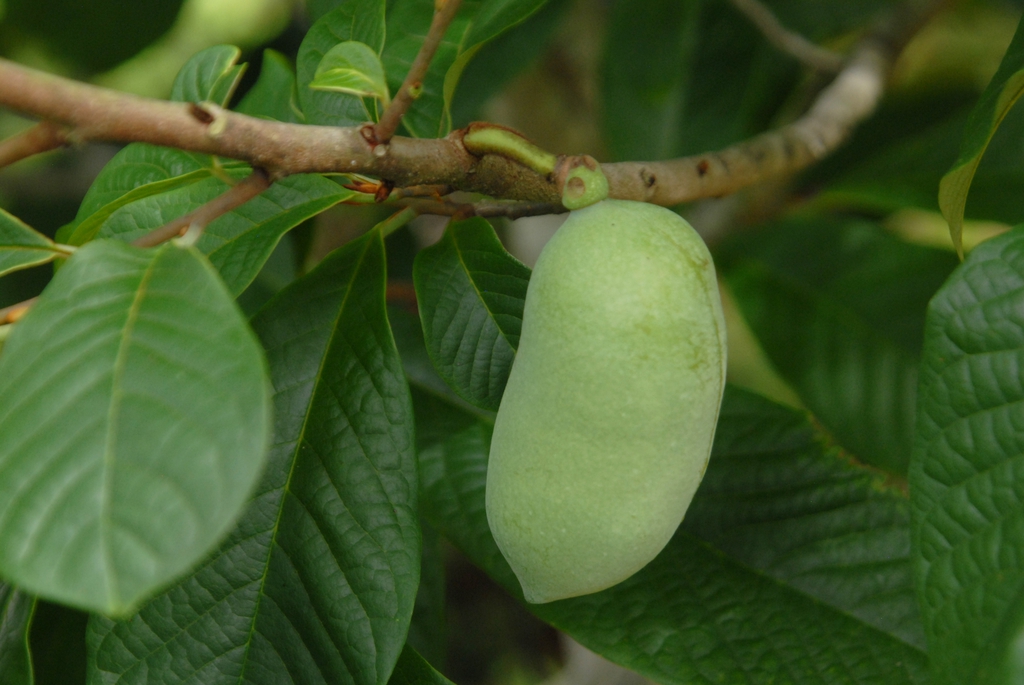
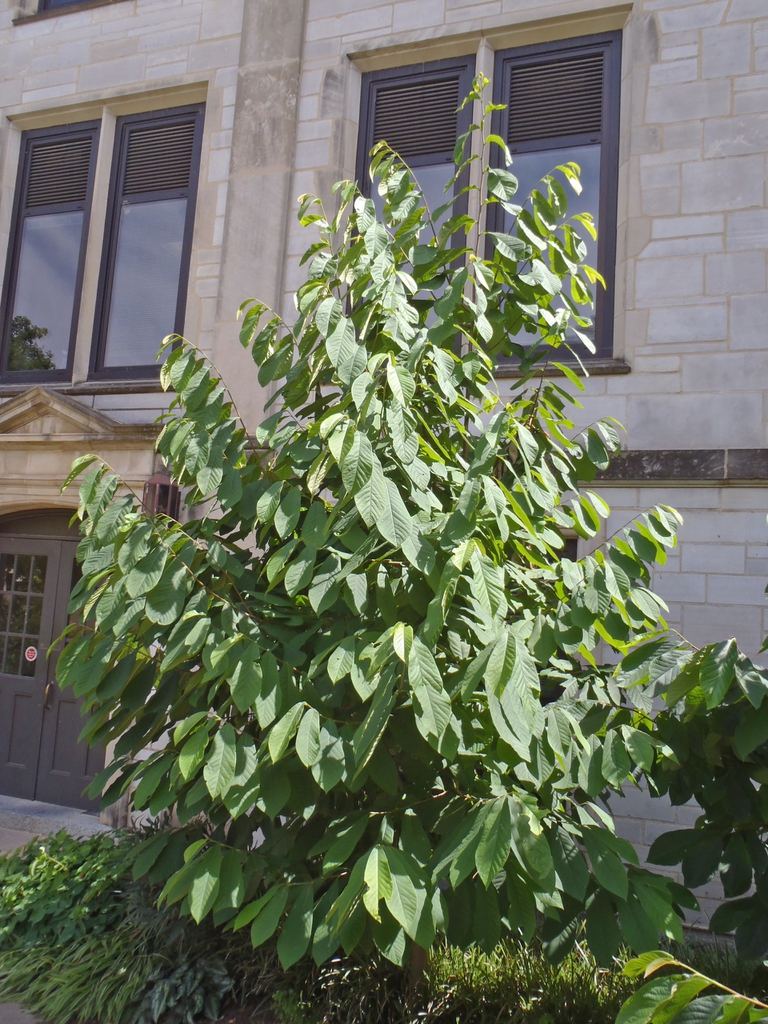
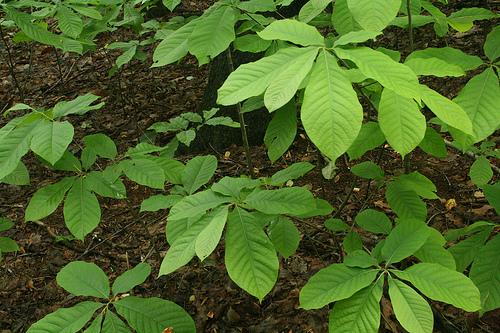
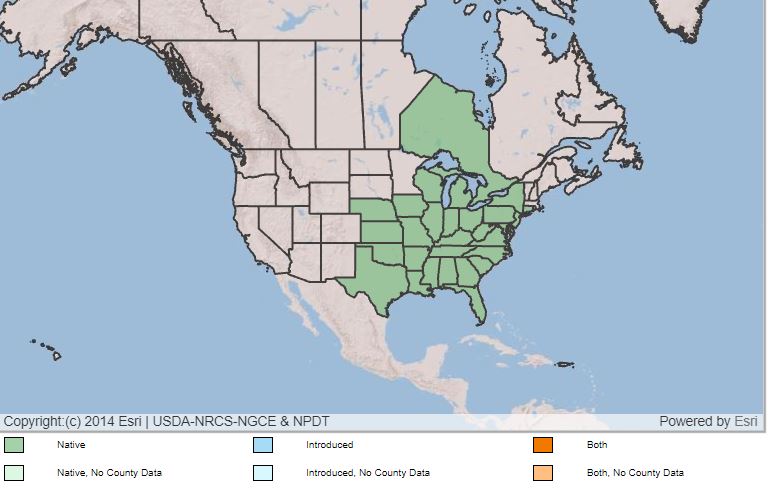
Pawpaw is a deciduous, native, understory tree in the Annonaceae family. Its name is probably a modification of the Spanish papaya. It is native to Canada and the eastern U.S.A. where it grows in deep shade to full sunlight in moist, nutrient-rich forests. It will tolerate occasional wet or moist conditions but prefers good drainage and acidic soil.
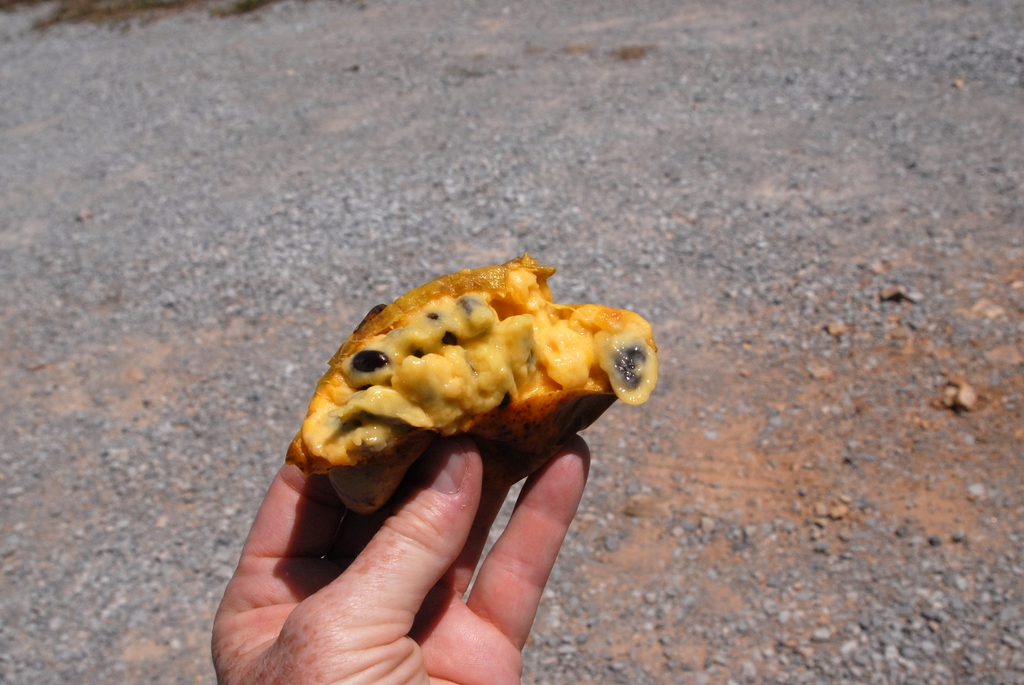
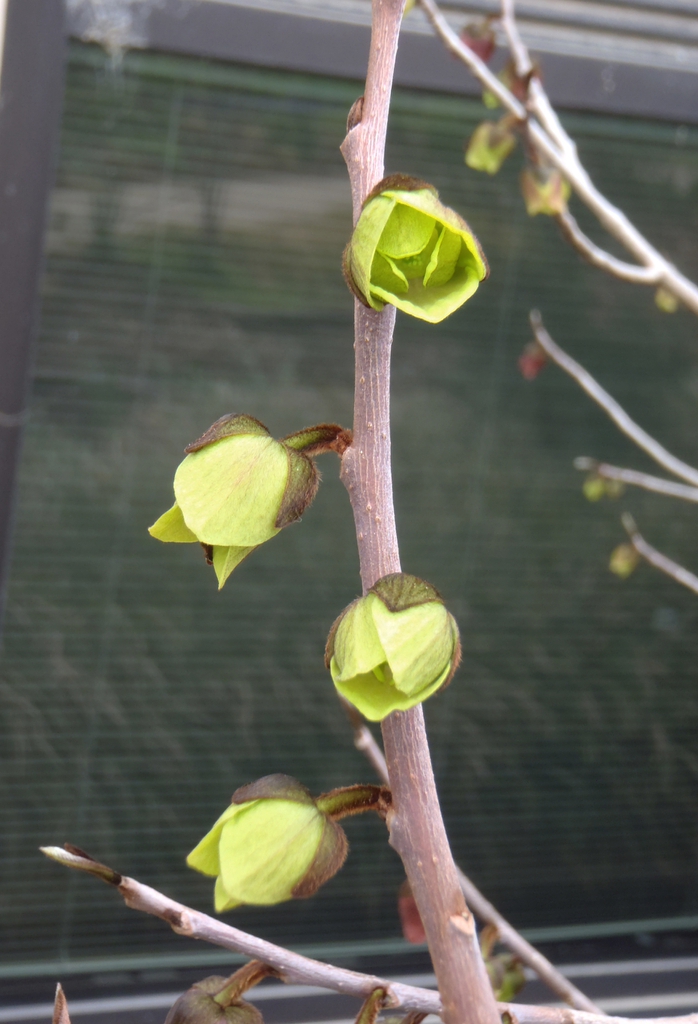
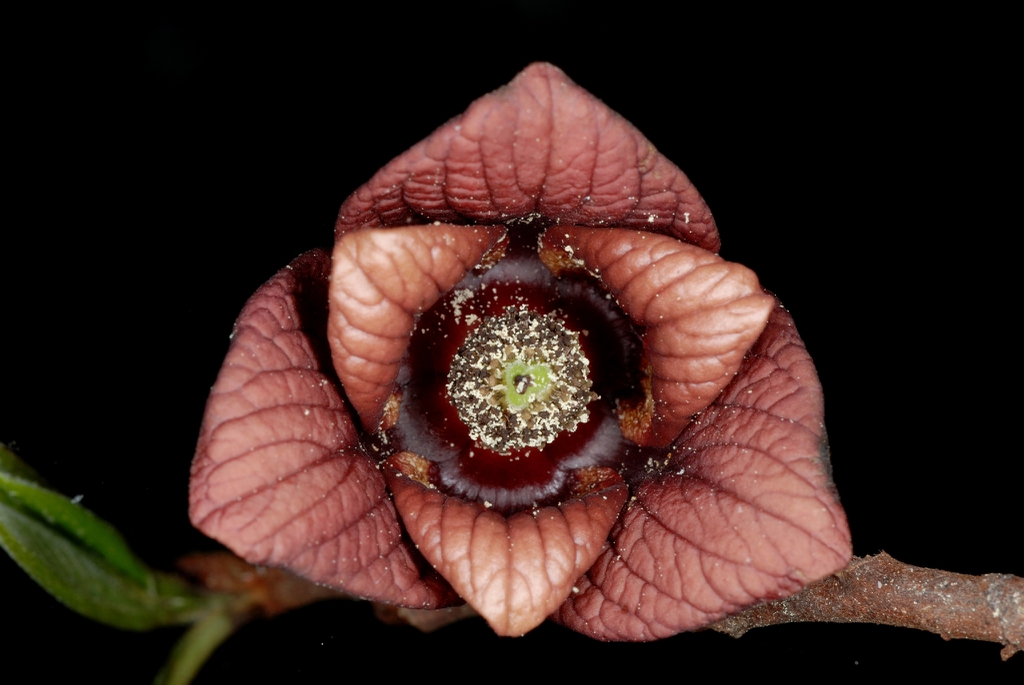
In spring, 6-petaled, purplish-brown flowers mature. Flowers have both male and female parts but are self-incompatible. A genetically different pollen donor (a pollinizer) is needed for fruit production. In late summer to early fall, pawpaw produces an edible, sweet-tasting, and custard-like fruit measuring 2.5 to 6 inches. Harvesting the fruit can be difficult with competition from ambitious wildlife. It is recommended to wear gloves when harvesting as contact dermatitis has been known to occur. The leaves turn a yellow color in the fall and provide interest.
Pawpaw does well in naturalized, riparian, or woodland areas. It is a flowering tree that attracts butterflies, pollinators, small mammals, and songbirds, which makes pawpaw a good addition to a butterfly, pollinator, or rain garden. Flies and beetles are beneficial pollinators attracted to the fetid odor of flowers.
Fire Risk: This plant has a low flammability rating.
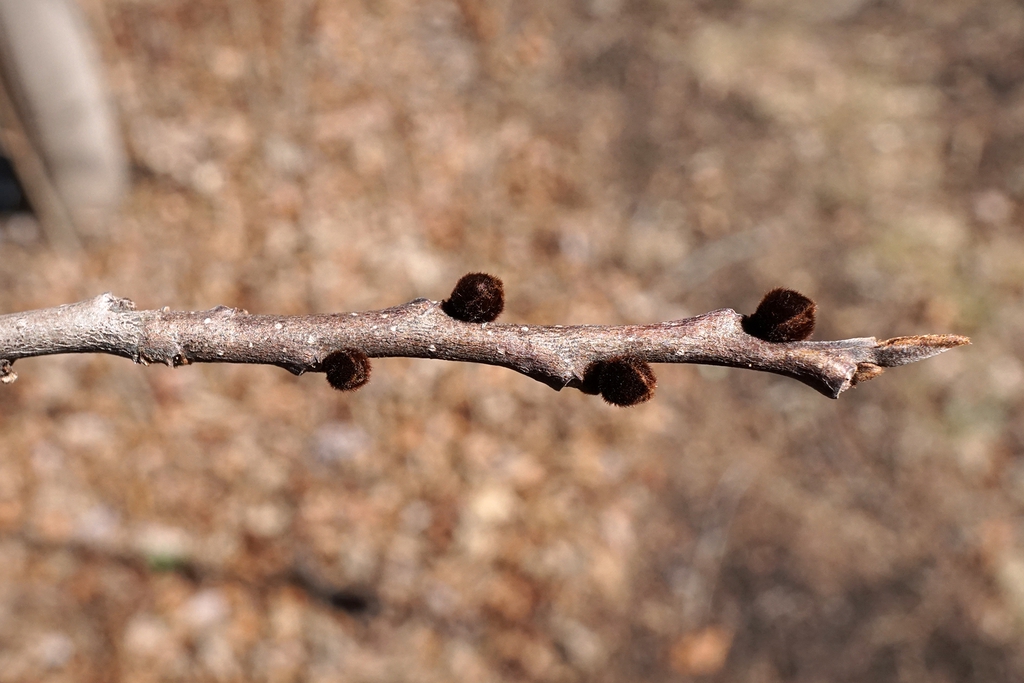
Quick ID Hints:
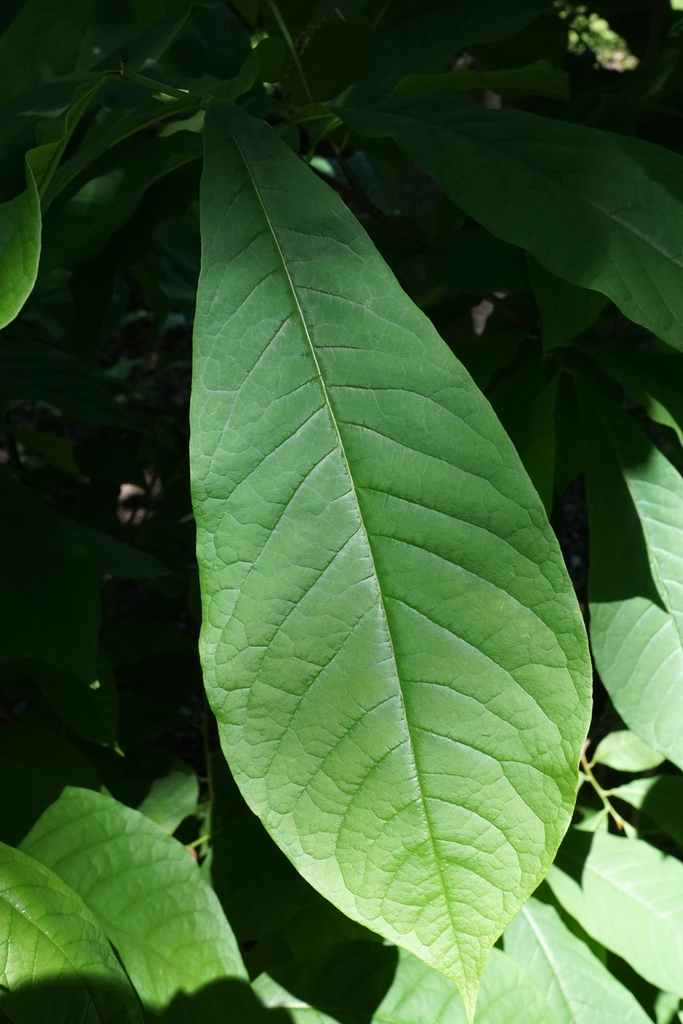
- Leaves produce an odor when crushed.
- Leaves turn yellow in fall.
- Bark is smooth with wart-like lenticels
Insects, Diseases, and Other Plant Problems: No significant problems.
Poisonous to Humans: Poison Severity: LowPoison Symptoms:
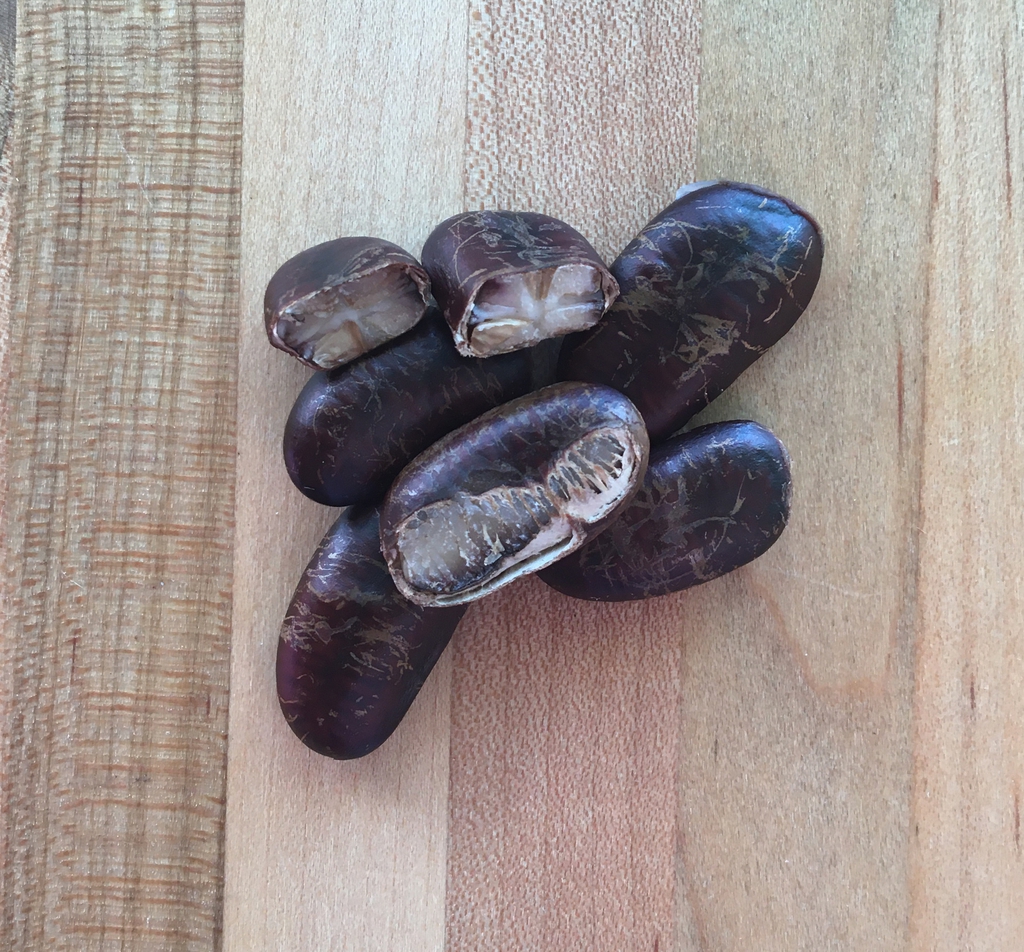
Stomach and intestinal pain from eating the fruit skin or seeds. Skin irritation from handling the fruit.
Poison Toxic Principle: Alkaloids
Causes Contact Dermatitis: Yes
Poison Part: Fruits Leaves
Jim Robbins
Jim Robbins
Randy Harter
Douglas Goldman, USDA
Jim Robbins
 Dickson Tree Management & Beautification Board