Cercis canadensis
Common Name(s): American Judas Tree, American Redbud, Eastern Redbud, Redbud
Previously known as: Cercis dilatata, Siliquastrum canadense
Phonetic Spelling
SER-sis kan-a-DEN-sis
Description
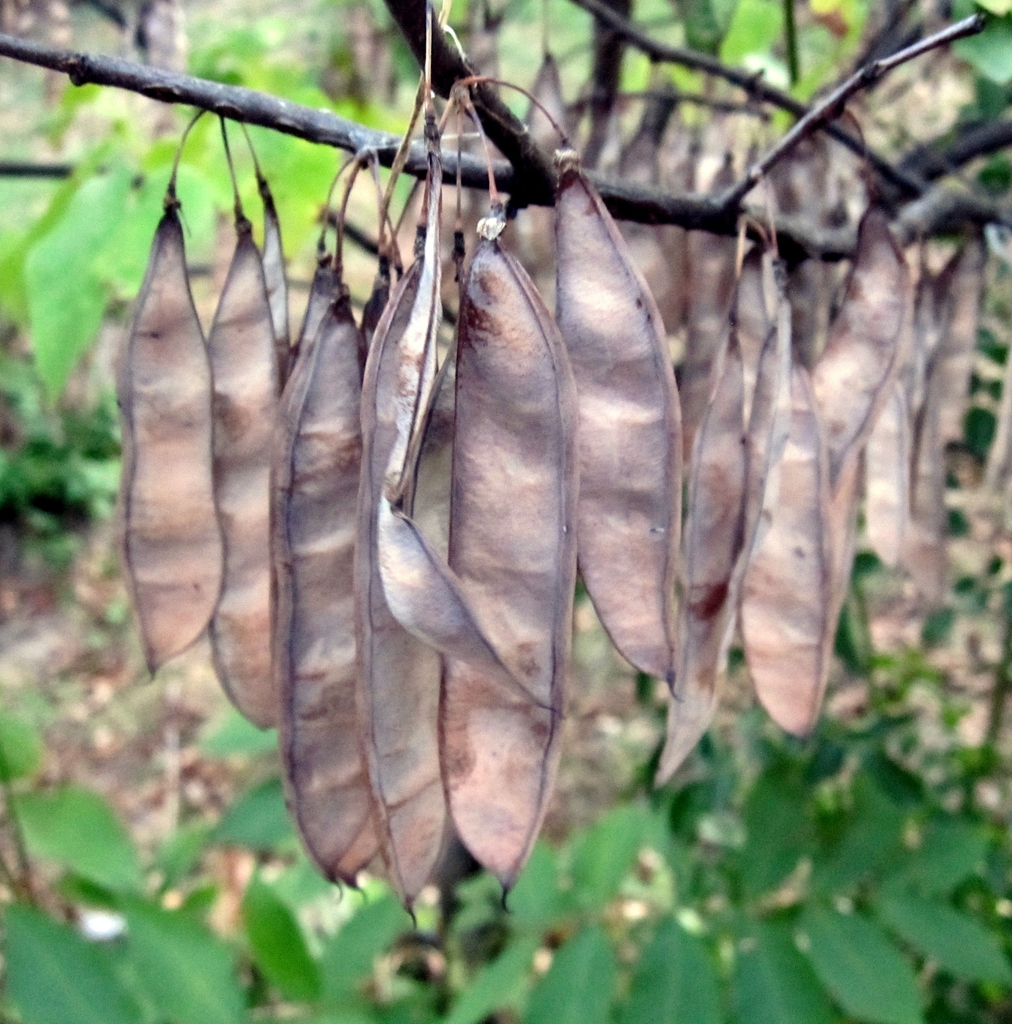
Eastern redbud is a deciduous, ornamental tree in the Fabaceae or pea family. It is native to eastern North America and may grow up to 20 or 30 feet tall. and 20-35 feet wide. it is a smaller tree with a nearly flat or rounded crown that is often found growing beneath taller trees. The genus name Cercis comes from the Greek word kerkis, which means weaver’s shuttle, referring to the fact that the seed pod resembles the size and shape of a weaver’s shuttle used to move thread back and forth on a loom. Sometimes called the Judas tree, from its oriental relative of that name,
The tree is pH adaptable and can tolerate full sun or part shade and moderately fertile clay or sandy soil. It does not tolerate heat or drought that can stress the tree or wet soils. It does not tolerate root disturbance, so plants should be placed in their permanent positions as soon as possible and should be kept well-watered until established. Because its branches tend to break, the tree should be sited in a relatively protected area. Regular watering, fertilization, and pruning out dead branches as needed will keep the tree vigorous.
Eastern redbud is a flowering tree that blooms before the leaves appear. In early spring, clusters of rose pink to light purple flowers mature and attract many pollinators including butterflies and bees. The plant holds great wildlife value as a larval host plant and the bean pod fruits provide food for songbirds.
Plant this tree as a specimen in a pollinator garden, as an understory tree in a wooded landscape, in small groups, or mass planted for a dramatic springtime effect. It may also be planted as a street or lawn tree but is very sensitive to herbicides and chemicals sprayed on lawns.
Wildlife Value: The flowers provide nectar for bees and once pollinated form leguminous pods. The seed may be consumed by birds. Members of the genus Cercis support the following specialized bee Habropoda laboriosa.
Insects, Diseases, and Other Plant Problems: Insect pests include leafhoppers, caterpillars, borers, Japanese beetles, treehoppers, scale, and webworms. Possible diseases include canker, dieback, leaf spots, verticillium wilt, blights, and mildew. It can be a short-lived plant, typically living less than 75 years.

Dcrjsr
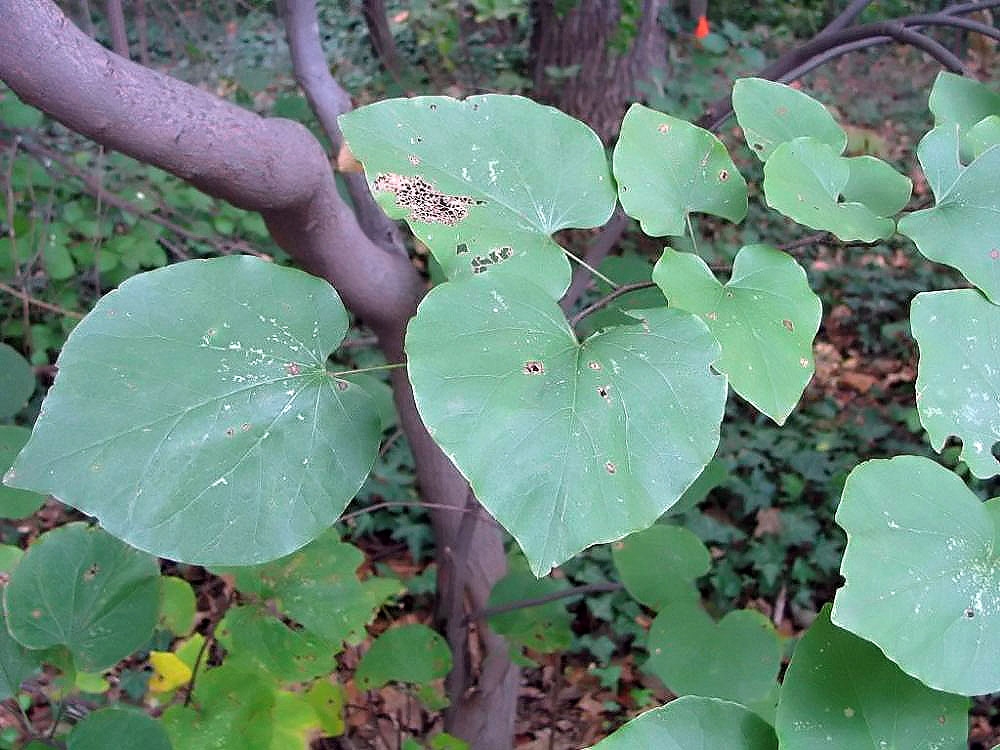
David J. Stang
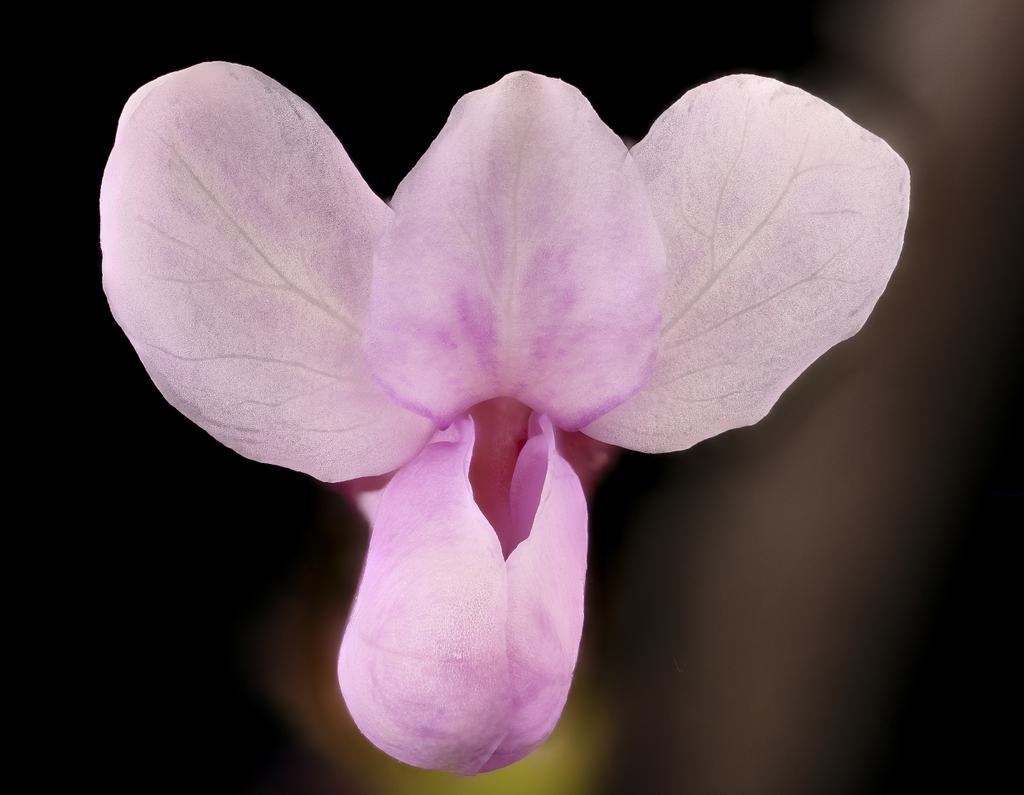
USGS Bee Inventory and Monitoring Lab (specifically, Helen Lowe Metzman)
David J. Stang

Judy Gallagher
JDMcGreg

 Dickson Tree Management & Beautification Board