Juniperus virginiana
Common Name(s): Eastern Redcedar
Phonetic Spelling
jew-NIP-er-us ver-jin-ee-AY-nah
Description
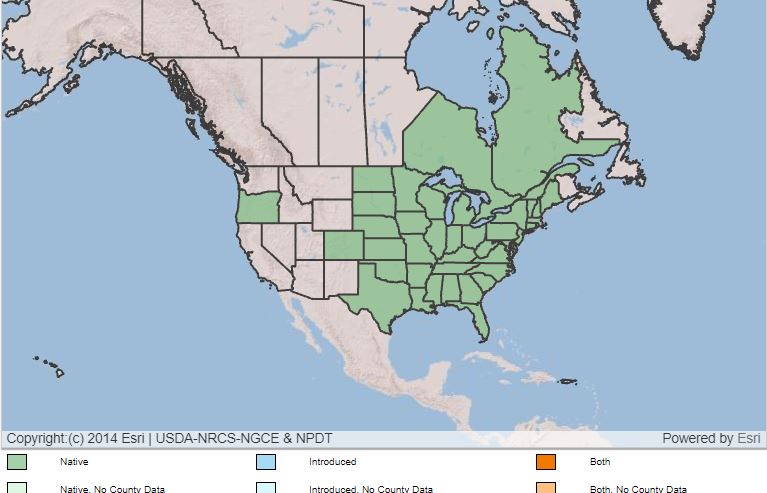
Eastern redcedar is an evergreen tree in the cypress family (Cupressaceae). This conifer is native to North America and grows from Maine south to Florida and west to South Dakota and Texas.
This juniper is easily grown in average, dry to moist, well-drained soils in full sun. In good conditions, it will grow to 30 to 40 feet in height and reach a width of 10 to 20 feet. It will tolerate a variety of soils and growing conditions, from swamps to dry, rocky ground. It can even grow on seemingly barren soils that few other plants can tolerate, although it may never grow bigger than a bush in those conditions. It prefers moist conditions but is intolerant of continuously wet soil. It only tolerates shade when it is extremely young. It has the best drought resistance of any conifer native to the eastern United States. This tree is easy to transplant and a tough, dependable tree—but considered weedy by many gardeners. It is highly salt tolerant. This colorful tree needs airy space to grow. Plant 12 to 24 feet apart.
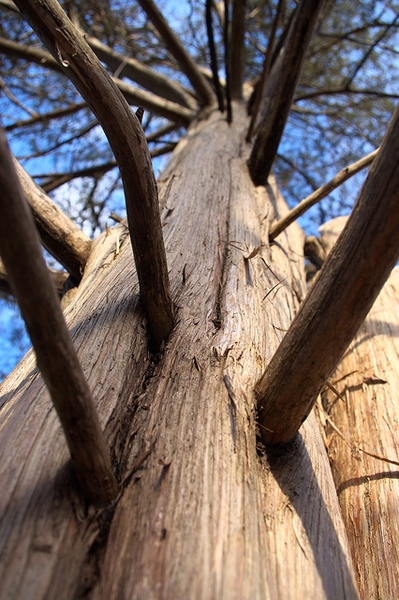
Eastern red cedar has blue-green, overlapping, scale-like leaves at maturity, but young shoots may have spreading, needle-like leaves. The bark is red-brown in color and peels off in long, narrow, fibrous strips, often leaving ashy gray areas exposed. Light blue-green clusters of cones mature in late winter or early spring. Female (or predominantly female) trees produce small, round blue cones (“juniper berries”) that mature in the fall and are beloved by cedar waxwings. Male trees make small pollen-producing cones. Pollen is wind-borne and released in large quantities.
The heartwood is light brown and aromatic, in contrast to the white sapwood, and is commonly used for cedar chests. The wood is also often used to make fence posts and rails, as it is naturally rot-resistant. It also repels insects, lending to its appeal for use in clothing storage and pet bedding.
Eastern red cedar makes an excellent specimen and does well in a grouping or as a screen or windbreak. It provides cover, habitat, and food for wildlife. This tree is also resistant to damage by deer. It is sometimes grown for Christmas trees, especially in warmer areas of North Carolina.
Quick ID Hints:
Plant has grayish to reddish-brown bark that exfoliates in long strips
Scale leaves are in a four-rank arrangement
Small, oval, glandular depressions are on the backs of leaves
Male cones are yellow and occur at branch tips
Female cones are blue, frosted looking, and 1/4 inch in size
Leaf color is sage green to blue-green in the summer
Leaf color is bronze to yellow-brown in winter
Juvenile, awl-shaped leaves are often present in pairs
Insects, Diseases, and Other Plant Problems: This tree is susceptible to twig blight and scale. Bagworms are also a problem. Mites may occur. It shares with apple trees the susceptibility to a rust fungus called Gymnosporangium juniperi-virginianae. This fungus causes “cedar apples” on red cedar twigs and dark leaf spots on apple leaves.

Nicholas A. Tonelli

Forest and Kim Starr

CameliaTWU
plantsforpermaculture
 Dickson Tree Management & Beautification Board