Carya tomentosa
Common Name(s): Big-bud Hickory, Mockernut Hickory, Squarenut, White Heart Hickory, White Hickory
Alabama Serviceberry, Downy Serviceberry, Juneberries, Sarvis, Sarvistree, Shadblow, Shadbush
Previously known as: Carya alba
Phonetic Spelling
KAIR-yuh toh-men-TOH-suh
Description
Mockernut Hickory is a large deciduous tree that is native to eastern and central USA. It is fairly slow growing and will reach heights of 50 to 80 feet tall or more. The crown is rounded and dense. The tree takes 25 years before producing the edible nut but can continue producing for 200 years. It is a strong, straight trunk tree and the wood is used to make various items and for firewood. The wood is mostly white except for the small heartwood, hence the common name.
This tree is adaptable to both sandy and clay loam with good drainage and is drought tolerant once established. It does best in full sun in rich moist soil with lots of room to grow. A deep taproot makes it difficult to transplant.
Use this tree in a park, large yard for shade or naturalized areas.
Insects, Diseases, or Other Plant Problems: Generally no serious problems. Potential insects are: hickory bark beetle, pecan weevil, borers and twig girdler. Whiteheart rot, anthracnose, leaf blotch, powdery mildew, leaf spot, cankers, catlin blight, crown gall, and scab are occasional diseases.
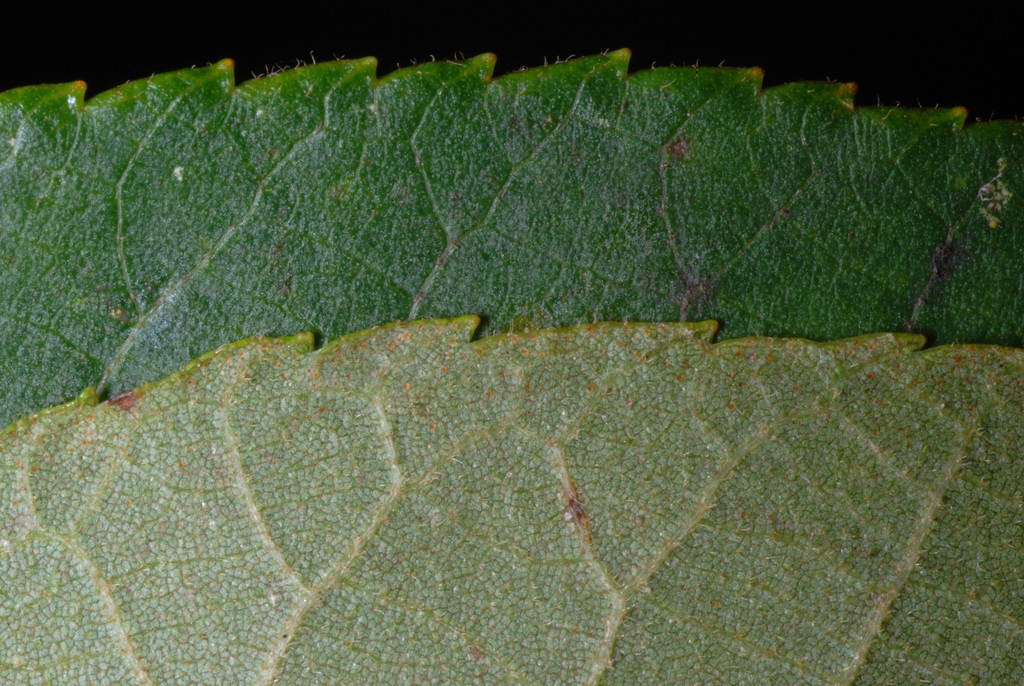
Douglas Goldman, USDA

Lisa Shannon
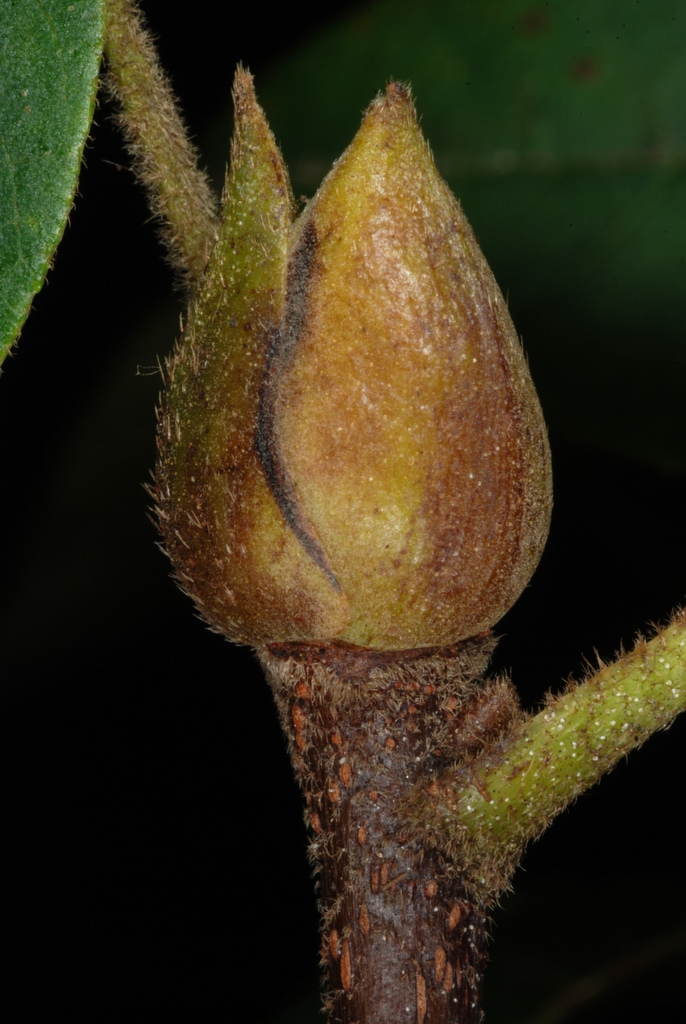
Douglas Goldman, USDA
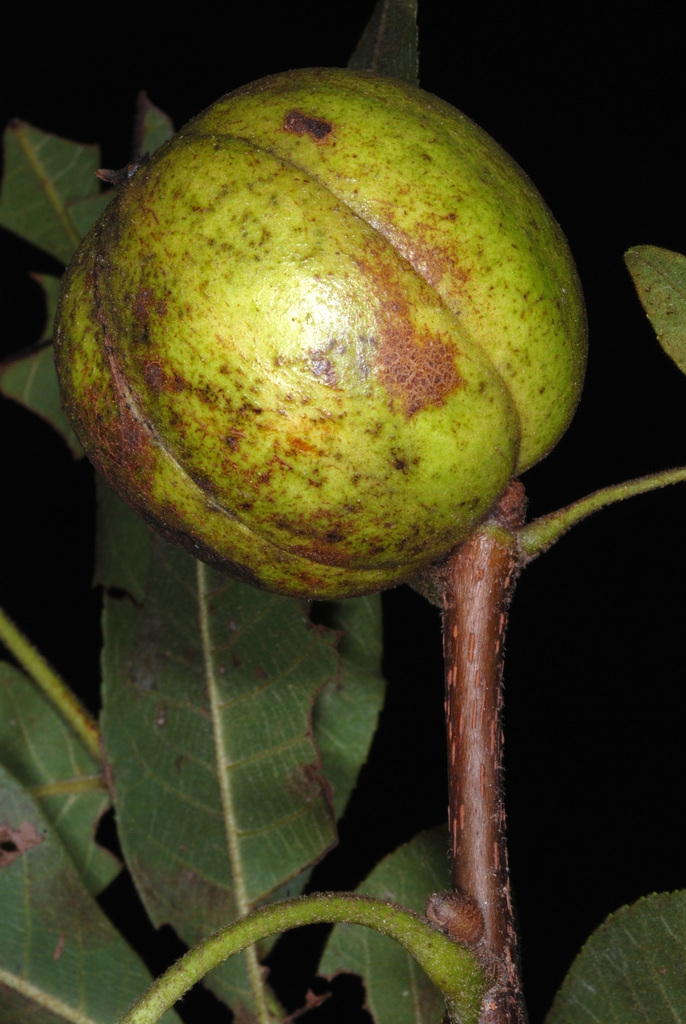
Douglas Goldman, USDA

Douglas Goldman, USDA

Douglas Goldman, USDA
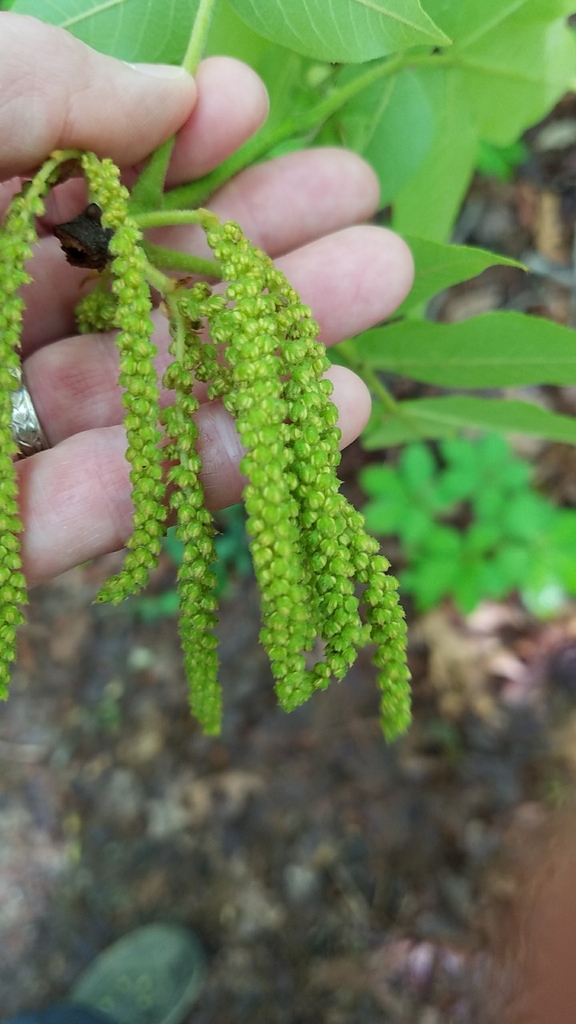
Suzanne Cadwell
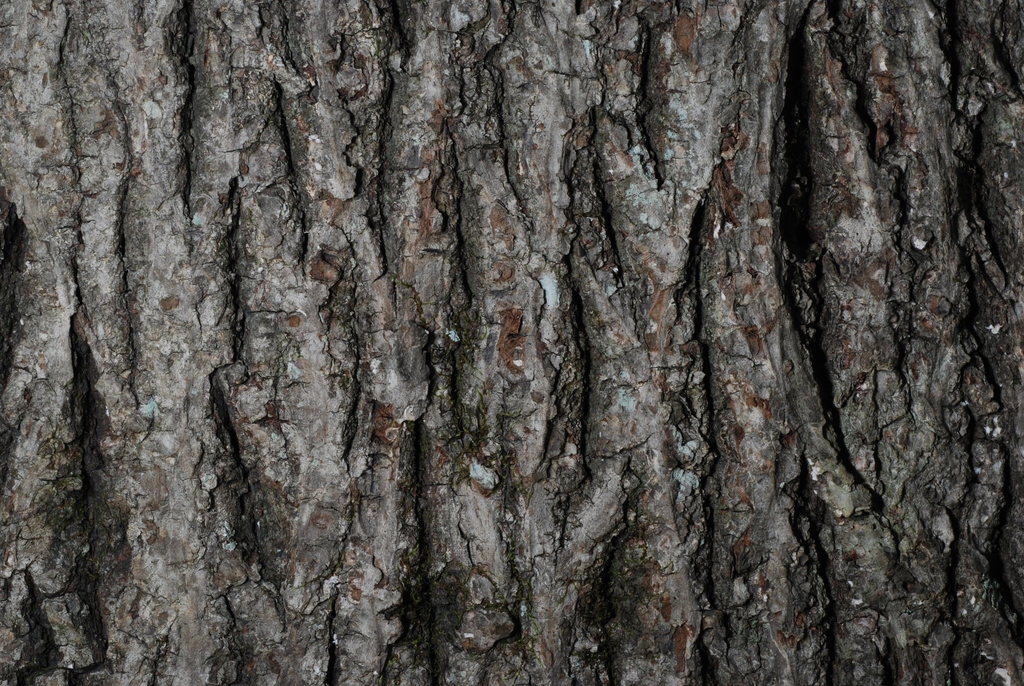
Douglas Goldman, USDA

Douglas Goldman, USDA

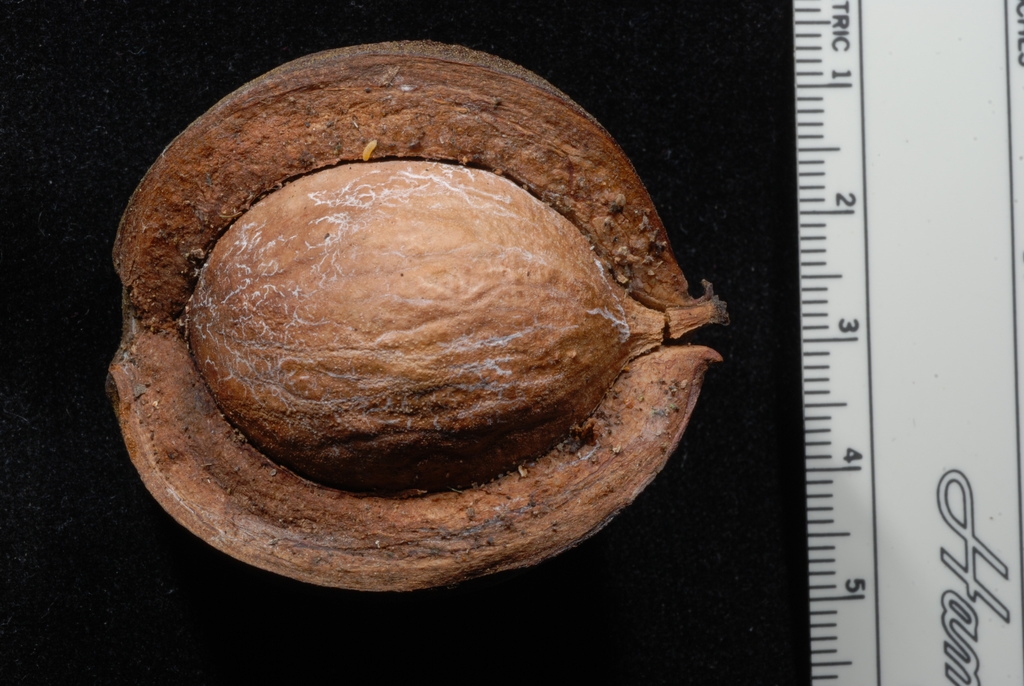
Douglas Goldman, USDA
 Dickson Tree Management & Beautification Board