
Quercus coccinea
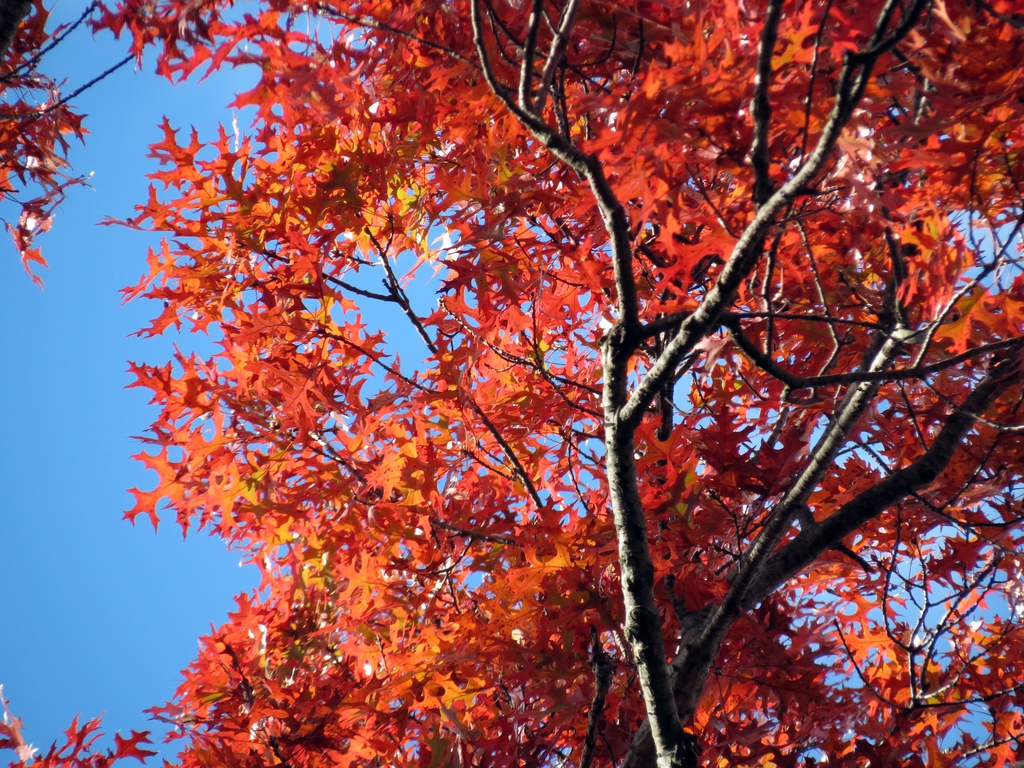
Common Name(s):
Previously known as: Quercus rubra var. coccinea
Phonetic Spelling
KWER-kus kok-SIN-ee-a
Description
Scarlet oak is a native large broadleaf deciduous tree with a rounded, open habit, and grows 50 to 80 feet tall and spreads between 45 to 60 feet. It is best known for its vibrant scarlet red fall foliage and is usually planted for its ornamental value. This tree is long-lived, durable, and easy to grow. It is a member of the Fagaceae or beech family.
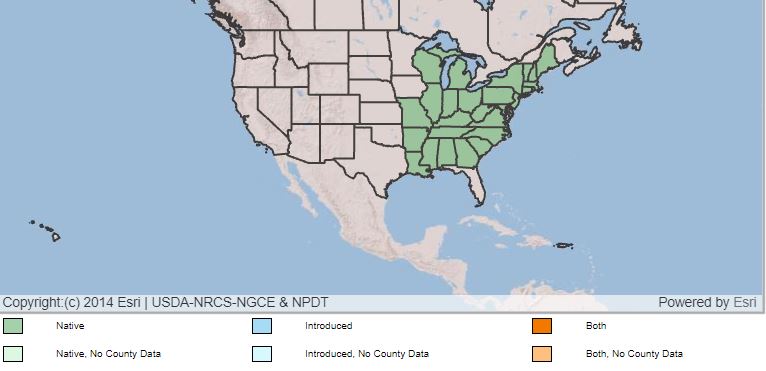
It is native to North Central and the Eastern United States. It is found in dry upland forests in the Piedmont and middle to lower mountains of North Carolina.
The genus name, Quercus, is the Latin name for oak trees. The epithet, coccinea, means scarlet and refers to the fall foliage color.
The tree prefers acidic, sandy soils on the dry side, but it will tolerate other soils if they are well-drained. The scarlet oak is difficult to transplant due to its tap root. It does not develop chlorosis as often as other oaks, but it can be less tolerant of other adverse conditions.
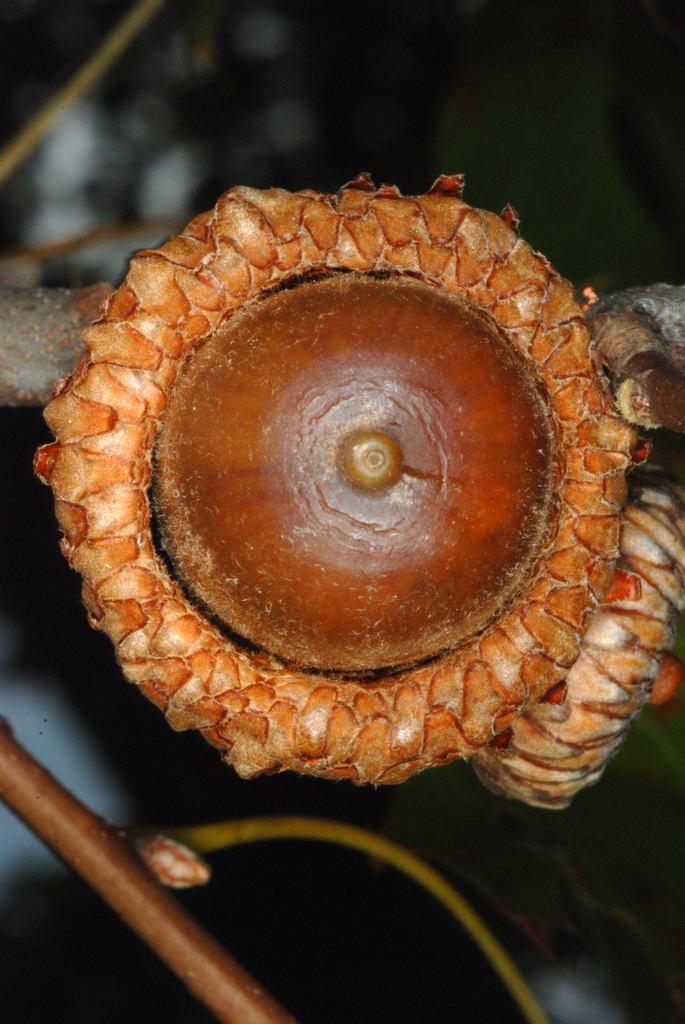
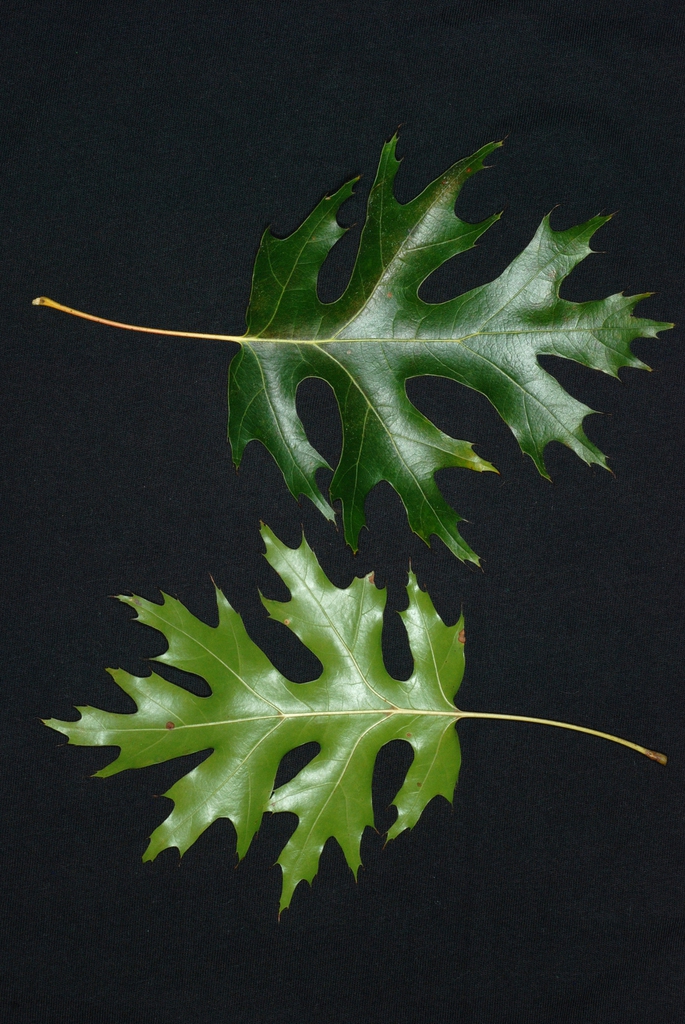
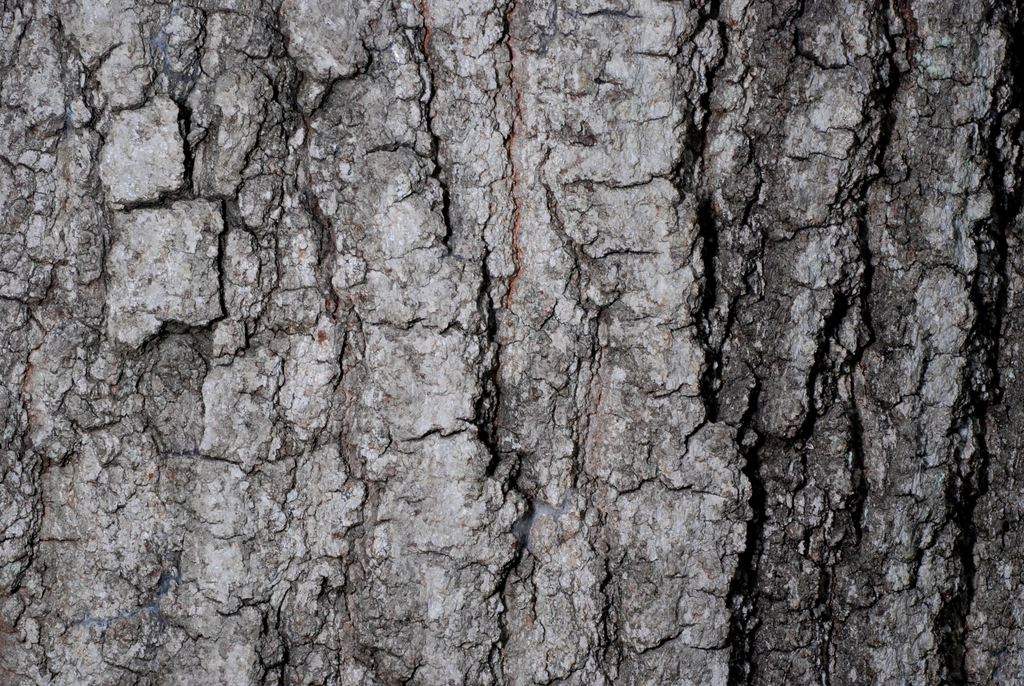
The bark is dark brown and has fine fissures and scaly ridges. The stems are reddish-brown and smooth. Foliage is glossy, lobed, and green in the spring and summer. The lobes are pointed, bristle-tipped, and C-shaped. The male and female flowers are not showy. The fruit is an acorn with a deep bowl-shaped cap cover.
The tree is an important source of food for many wildlife species. For an oak, it grows fast and bears acorns in 20 years.
The scarlet oak and pin oak are frequently confused. The scarlet oak has lobed leaves that form a C-shape, and the acorn cap is a deep bowl shape. The pin oak; however, has U-shaped lobed leaves and a thin cap cover.
The scarlet oak is popular and has spectacular fall color. It will add interest to the landscape if used as a specimen, shade tree, or street tree. As with all oaks, it is a high-value wildlife plant but is toxic to horses.
Seasons of Interest:
Foliage: Summer and Fall
Fruit: Fall
Quick ID Hints:
young bark is grayish-brown with smooth streak
bark becomes darker and develops ridges and fissures with age
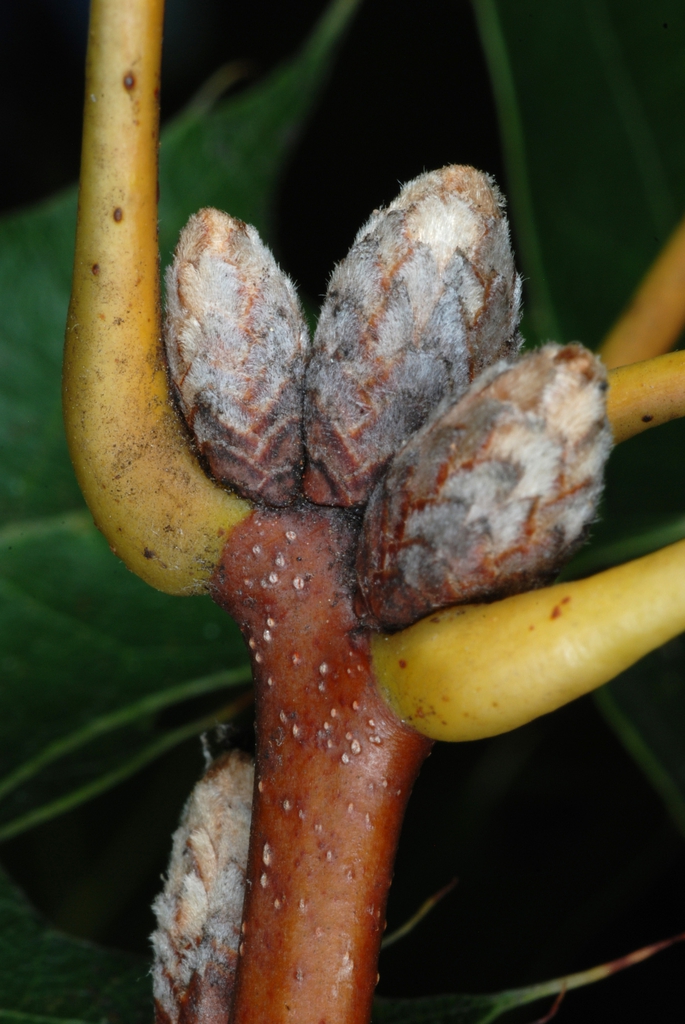
stems are reddish-brown with reddish-brown buds
leaves are alternate, simple, 3 to 7 inches long, glossy green, paler on the undersides with 7 to 9 bristle tipped lobes, C-shaped
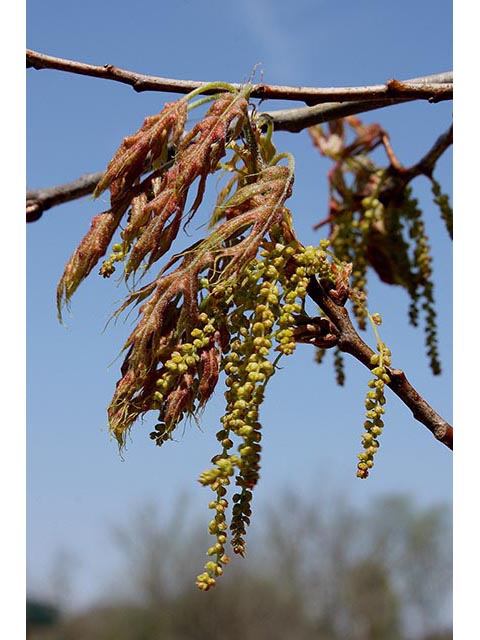
the male flowers are slender, yellowish-green catkins, and the female flowers appear as short spikes
small to medium-sized acorn with a deep bowl-like, shiny, scaly cap
Insects, Diseases, or Other Plant Problems: No serious problems. As with most oaks, they harbor a large number of insects that provide food for baby birds. Leaf spots, anthracnose, canker, mildew, rust, rots, galls, and numerous insect problems have been reported. This tree is highly susceptible to oak wilt. It is not as susceptible to chlorosis in alkaline soils like its close relative the Pin Oak (Q. palustris) This tree is also susceptible to fire damage due to its thin bark.
Douglas Goldman, USDA
Katja Schulz
Douglas Goldman, USDA
Smith, R.W.
Douglas Goldman, USDA
Douglas Goldman, USDA
 Dickson Tree Management & Beautification Board