Carya ovata
Common Name(s): Common Shagbark Hickory, Shagbark Hickory
Previously known as: Carya ovata var. fraxinifolia, Carya ovata var. nuttallii, Carya ovata var. pubescens, Hicoria alba, Hicoria borealis, Hicoria ovata
Phonetic Spelling
KAIR-yuh oh-VAY-tuh
Description
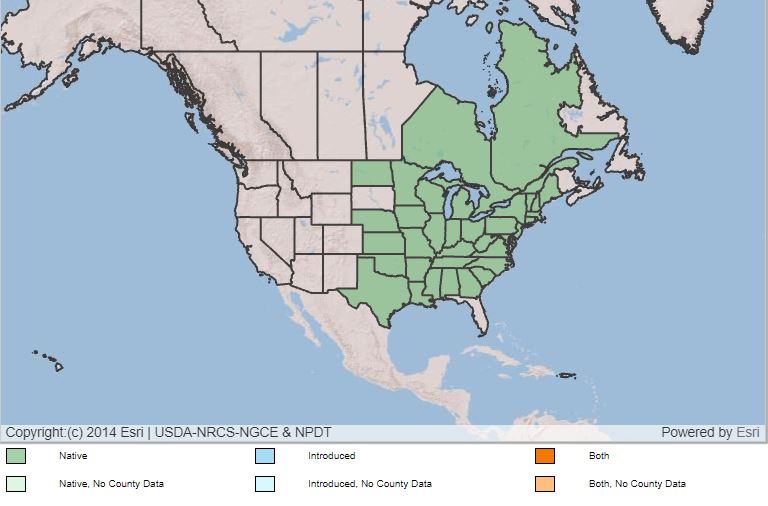
The Shagbark Hickory is a large deciduous tree that is native to eastern and central USA and parts of Canada. It may grow 70 to 90 feet tall with a 50-70 feet spread. The bark of older trees has a shaggy appearance that provides winter interest in the landscape. The trunk may mature to 2-3 feet in diameter. The nuts produced are valued by wildlife and are sold commercially for humans. The wood has multiple uses including curing meat. It may take 40 years for this tree to produce nuts but it lives for 200-300 years of age.
This tree is adaptable to both sandy and clay loams and prefers fertile, deep, soil that is well-drained. It grows in both full sun and part shade and is drought tolerant once established. The deep taproot makes it difficult to transplant. Large trees like the shagbark hickory can produce ample litter through dropped leaves and fruit so choose its planting location accordingly.
Use as a shade tree for a large yard, in a park or naturalized area.
Insects, Diseases, or Other Plant Problems: No serious insect or disease problems. Occasionally the hickory bark beetle, pecan weevil, and twig girdler can be a problem.
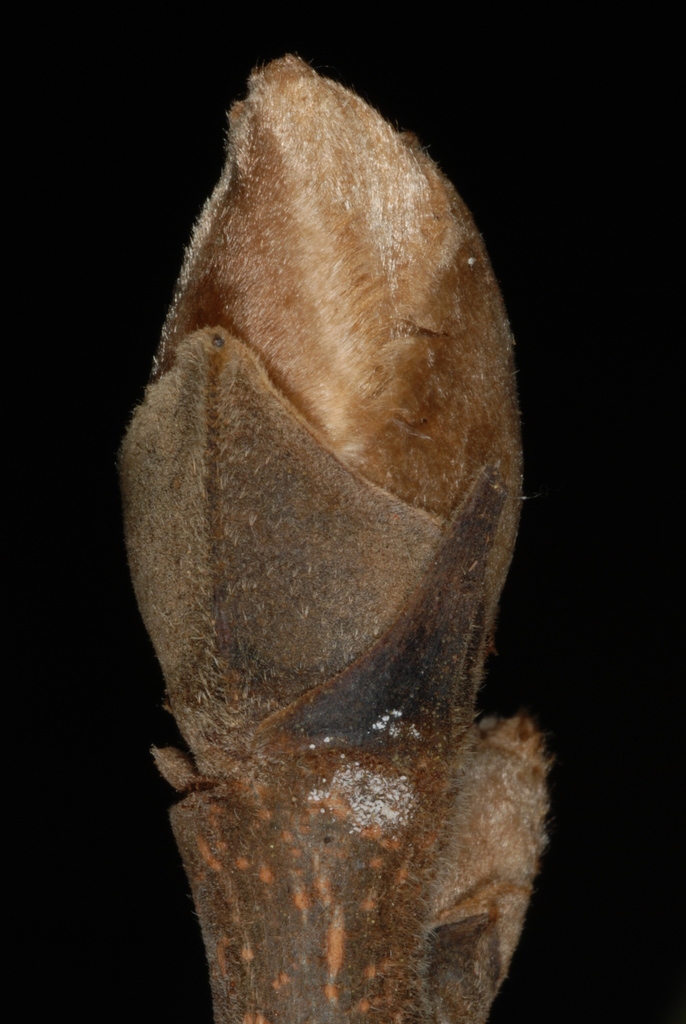
Douglas Goldman, USDA
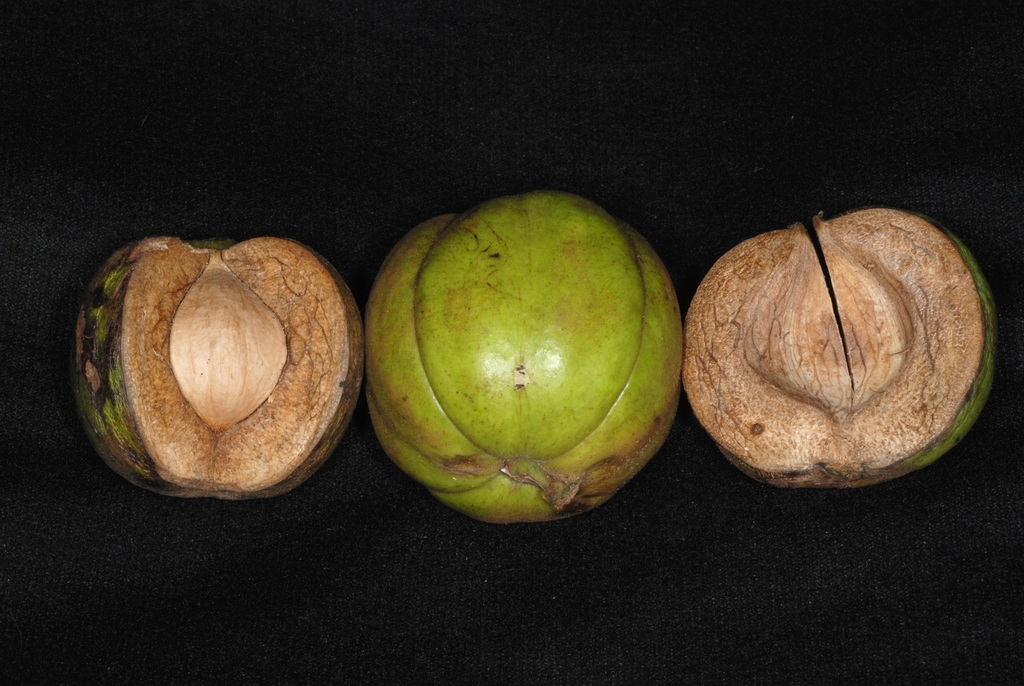
Douglas Goldman, USDA

Douglas Goldman, USDA

Douglas Goldman, USDA
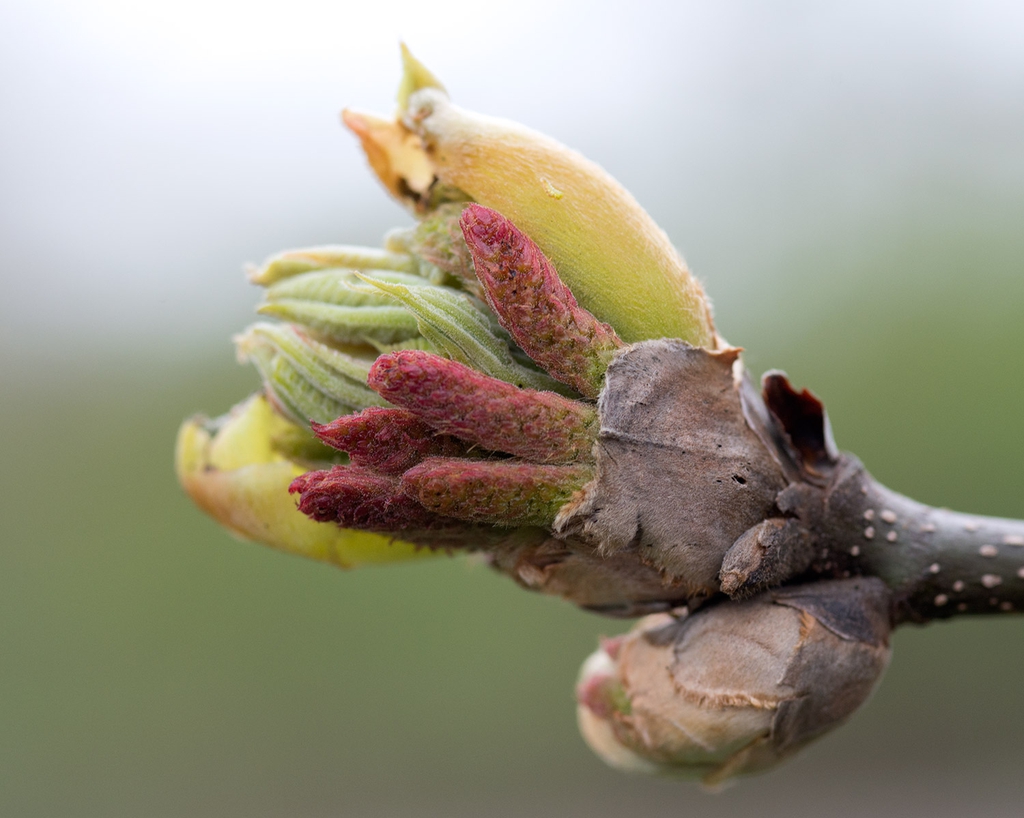
Plant Image Library

Douglas Goldman, USDA
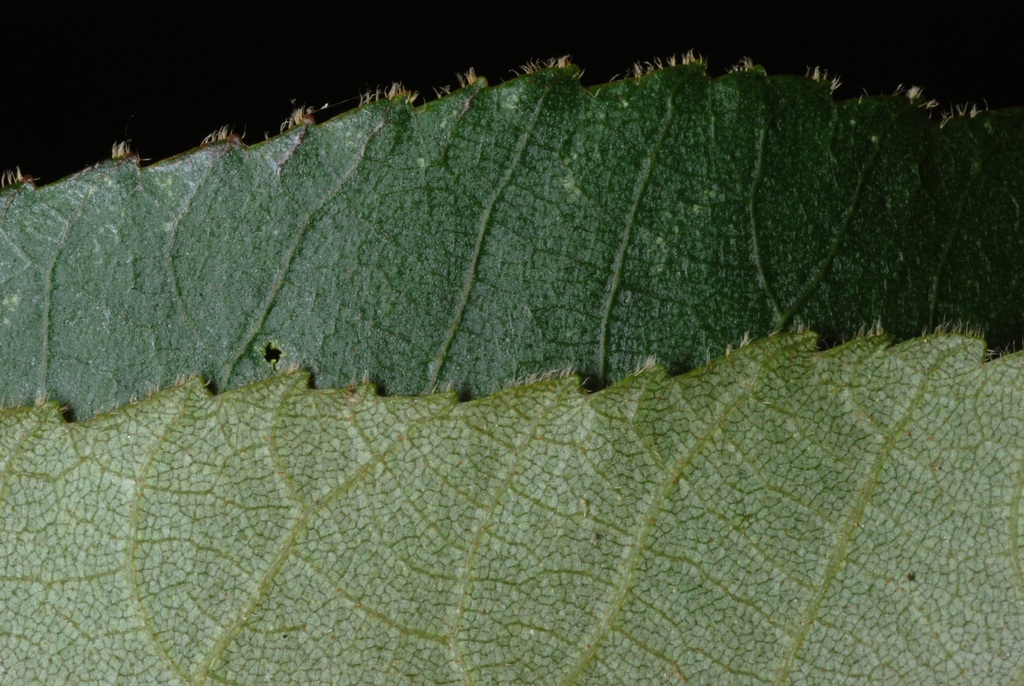
Douglas Goldman, USDA
 Dickson Tree Management & Beautification Board