

Cotinus obovatus
Common Name(s): Smoketree, American Smoketree, Chittamwood, Smokebush, Smoke Tree, Texas Smoke Tree, Wild Smoke Tree
Previously known as: Cotinus americanus, Cotinus cotinoides, Rhus cotinoides
Phonetic Spelling
ko-TYE-nus ob-oh-VAY-tus
Planted early spring 2024 by Mike Tummins
Description
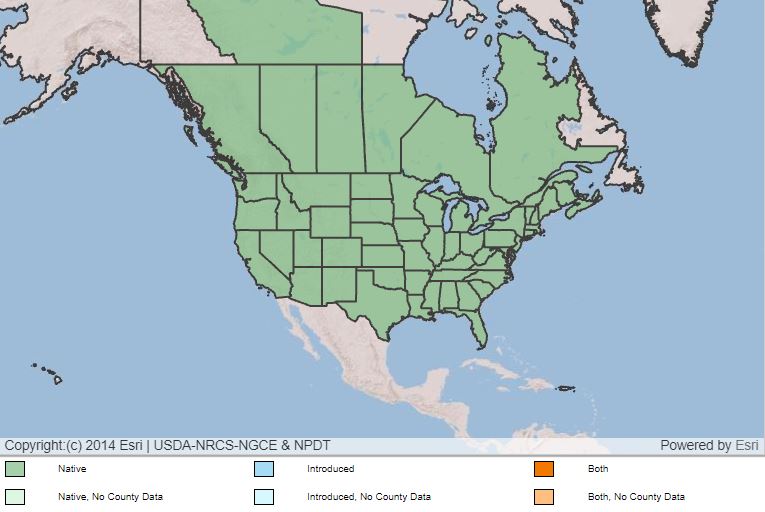
American Smoketree is native to the southern United States, growing in the rocky mountain soils from Kentucky, Tennessee, and northern Alabama westward to Oklahoma. Growth can also be found in central Texas. Its native habitat includes limestone glades and rocky limestone bluffs on north or east facing slopes. It is a medium-maintenance small tree or upright shrub in the Anacardiaceae family. It prefers a well-drained infertile loam soil in the full sun but does tolerate a wide range of soils including clay and shallow rocky soil. The sap from American Smoketree has a strong odor.
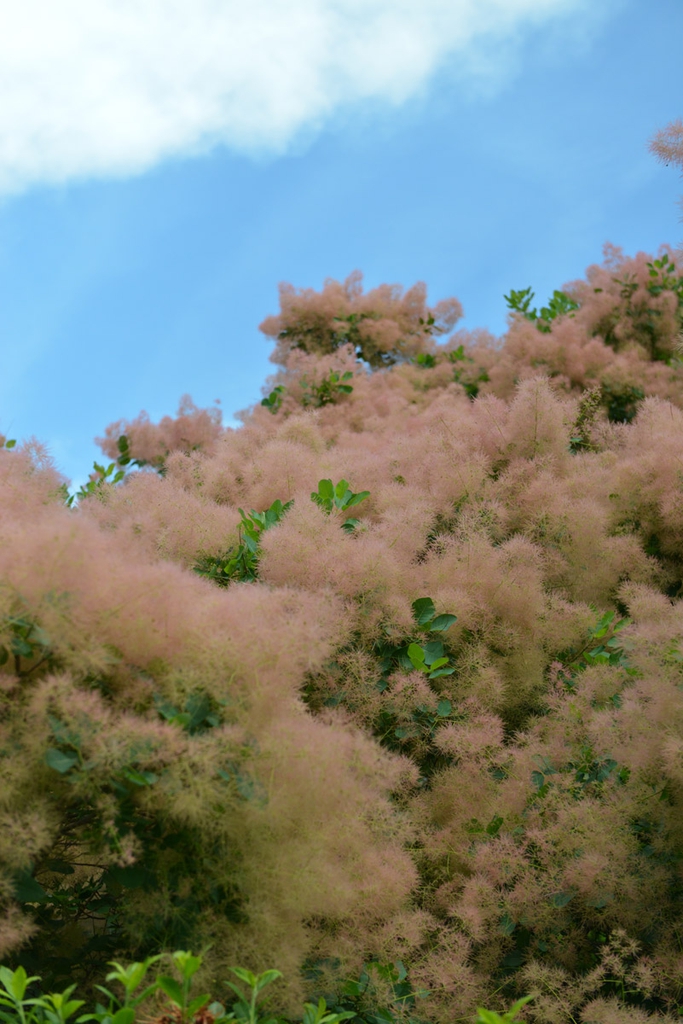
The name smoketree comes not from the 6′-10″ flower clusters (green-yellow, insignificant, dioecious) which bloom in the summer, but from the airy smoky pink to pink-purple hairs on the spent flower clusters that give the tree a hazy, smoke-like puffy appearance. The summer “smoke” display makes this a striking accent plant. It also produces some of the best fall color of the native American trees and shrubs. It looks great massed or planted at the back of a shrub border. It does use a fair amount of water, especially in dry conditions. This plant is resistant to damage by deer.
The wood from this plant were used as fence posts, tools handles and for making yellow dye.
Seasons of Interest:
Bloom: Summer Foliage: Fall
Notes: Outstanding fall foliage
Insects, Diseases, and Other Plant Problems: No serious insect or disease problems. Sometimes leaf spots, rust, and wilt can cause issues on stressed trees. Overwatering and over fertilizing can be detrimental. Avoid planting in low-lying areas where soil conditions can remain wet.
Plant Image Library
CC-BY-SA 2.0

planted 2024 by Mike Tummins
 Dickson Tree Management & Beautification Board