

Oxydendrum arboreum
Common Name(s): Lily of the Valley Tree, Sorrel Tree, Sourwood
Previously known as: Andromeda arborea, Lyonia arborea
Phonetic Spelling
ok-see-DEN-drum ar-BOR-ee-um
Description
Description
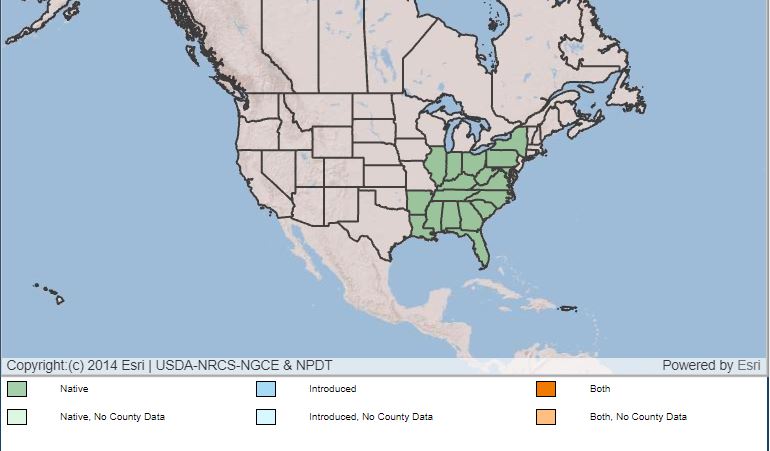
Sourwood is a deciduous, small to medium tree in the blueberry family (Ericaceae). It is native to the eastern and southern United States, from Pennsylvania to northern Florida and west to Ohio and Louisiana. It grows 20 to 30 feet tall and 10 to 15 feet wide.
This plant prefers acidic, peaty, moist, well-drained soils in full sun to partial shade. It is tolerant of shade and dry soils and moderately tolerant of salt. It is intolerant of pollution and urban areas. A very ornamental plant, it will flower in 4 to 5 years after planting from seed. This plant does not like to be transplanted so only do so with young plants.
The bark is red-brown with deep vertical furrows that separate flat, pointed ridges. In mid-summer, fragrant, white, urn-shaped flowers mature on panicles. Fall foliage is red to reddish-purple.
Sourwood makes an excellent understory tree or planted in small groups in a woodland garden. It also serves well as a shade or flowering specimen in a native, pollinator, butterfly, or children’s garden.
Insects, Diseases, or Other Plant Problems: Fall webworm is an occasional problem. Leaf spot and twig blight infrequently occur.

Jim Robbins


Jim Robbins

 Dickson Tree Management & Beautification Board