Quercus falcata
Common Name(s): Southern Red Oak, Swamp Red Oak, Swamp Spanish Oak, Water Oak
Phonetic Spelling
KWER-kus fal-KAY-tuh
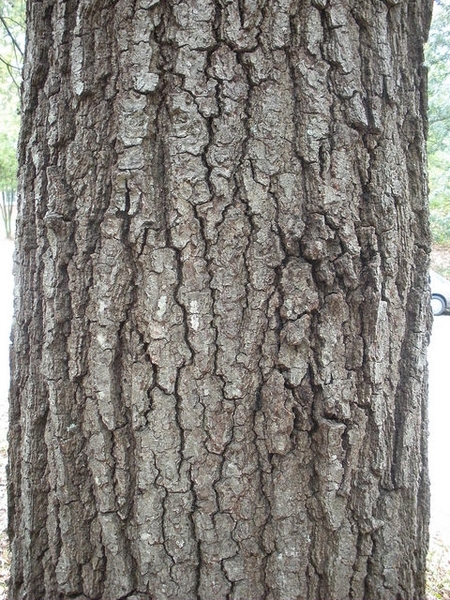
Tree A004 is a young sapling. Tree A016 is a mature Southern Red Oak.
Description
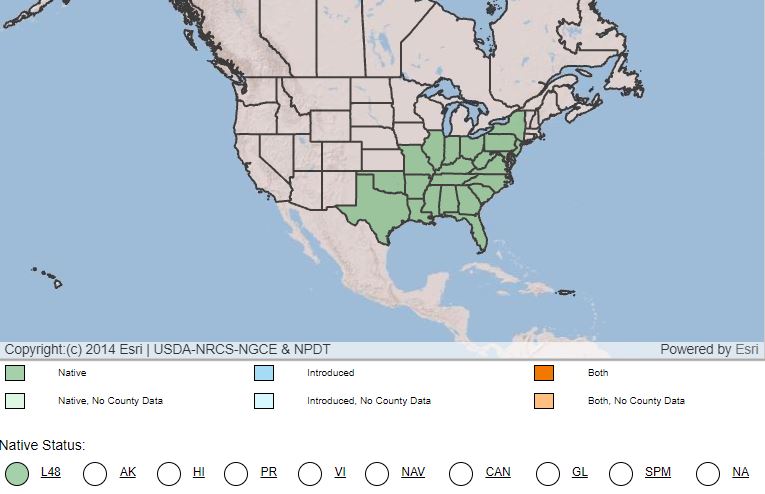
Southern Red Oak is a native deciduous tree. It may grow 60 to 100 feet tall and spread 50-60 feet with a broad open rounded form. It is naturally found on poor upland mesic soils in much of eastern and central USA but is also occasionally found along streams. It should be grown in full sun to part shade on well-drained, acidic, sandy loam, gravelly, or clay loam soils. It is drought tolerant but will tolerate occasional flooding.
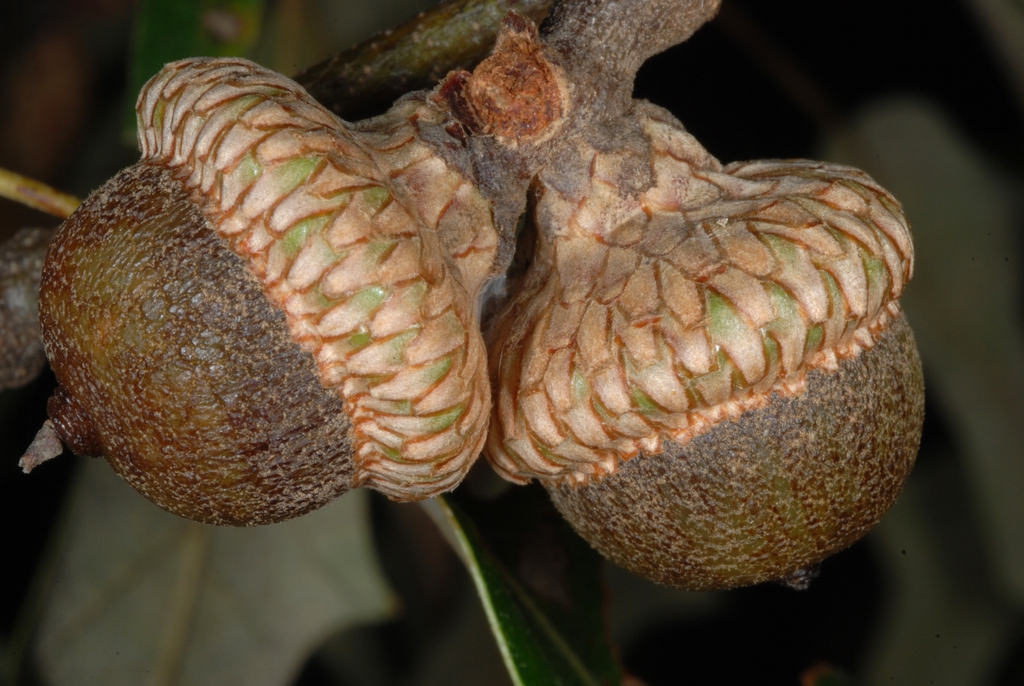
Acorns need 2 years to mature as is the norm for red oaks. There are 2 different types of leaves and they are tan and downy on the undersides which contrast nicely with the dark lustrous green on top, especially in the wind.
Use this tree for shade in parks and residential areas. Its drought tolerance makes it especially useful as a street tree. The acorns attract a variety of birds and mammals and like other native oaks, it is a high-value wildlife plant.
Insects, Diseases, or Other Plant Problems: There is a large number of potential problems. Except for oak wilt, no pests or diseases are of major concern. Caterpillars can defoliate trees. Fall cankerworm has been a problem in some years. Susceptible to wind damage.
This plant has low severity poison characteristics.
Poison Symptoms:
Abdominal pain, constipation and/or diarrhea (occasionally bloody), depression, frequent urination, discolored urine, and jaundice; ingesting acorns can obstruct the digestive tract.
Toxins:
Gallotannins, quercitrin, and quercitin.
Poison Parts: Leaves and Seeds

Altairisfar

Douglas Goldman, USDA
Bruce Kirchoff

Douglas Goldman, USDA
Douglas Goldman, USDA
 Dickson Tree Management & Beautification Board