Liriodendron tulipifera
Common Name(s): Canary Whitehood, Canoewood, Lyre Tree, North American Whitewood, Tulip Poplar, Tulip Tree, Western Poplar, Whitewood, Yellow Poplar, Yellow-Poplar
Previously known as: Liriodendron procerumTulipifera lirodendrum
Phonetic Spelling
lir-ee-o-DEN-dron tew-lip-IF-er-a
Description
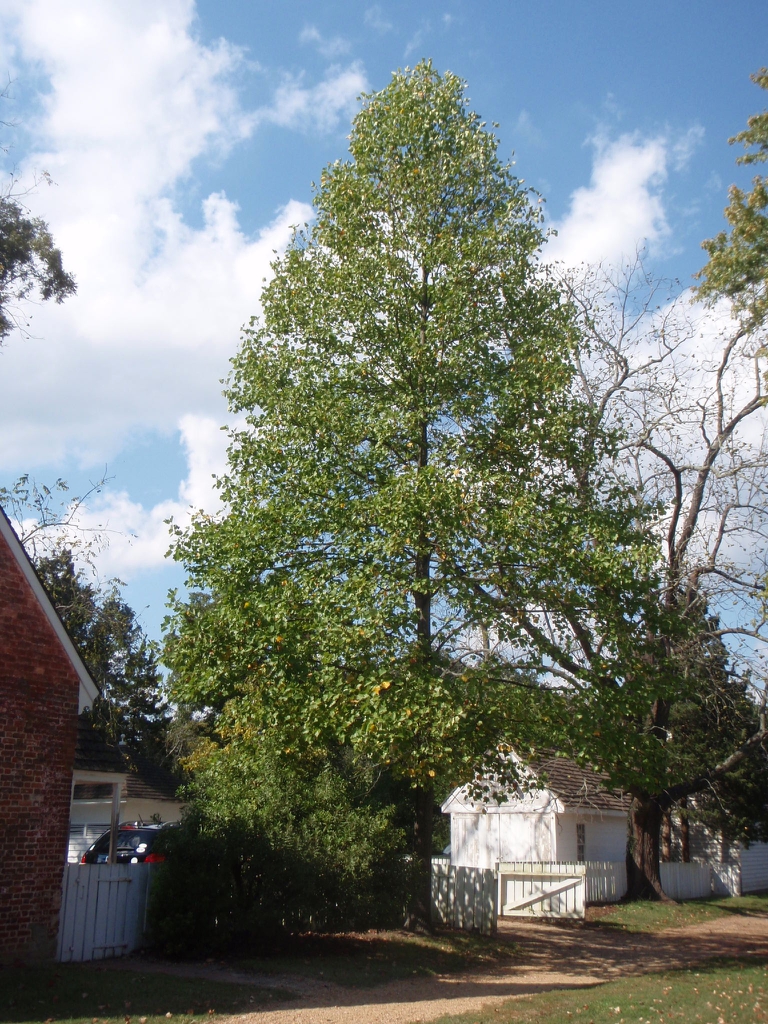
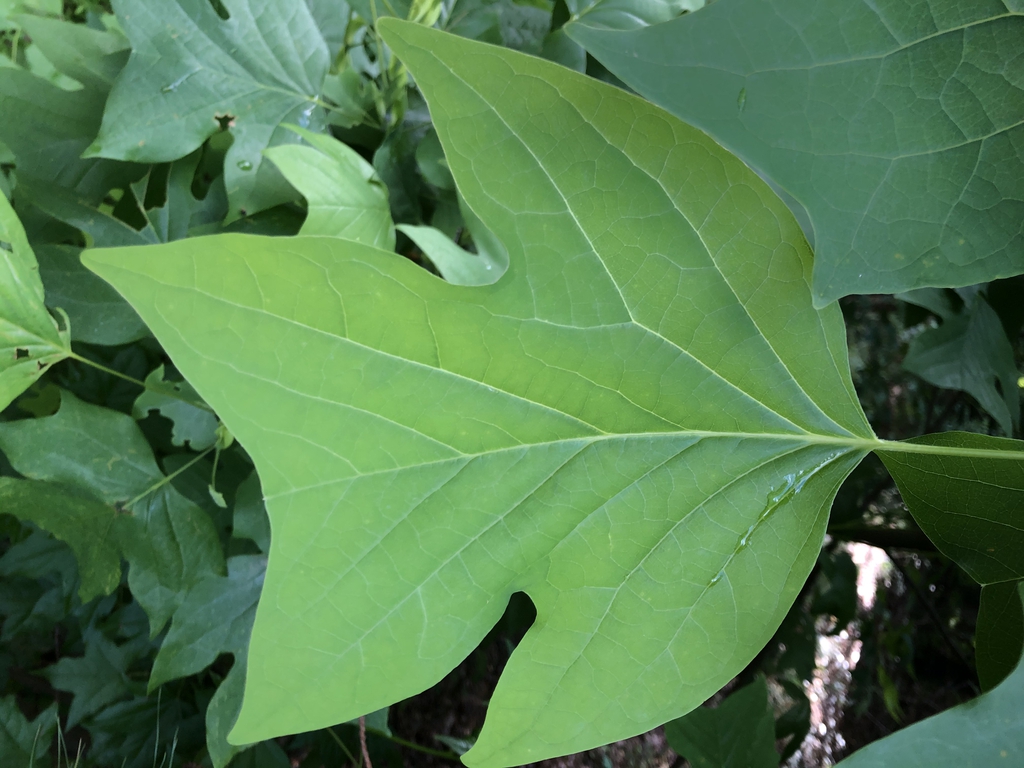
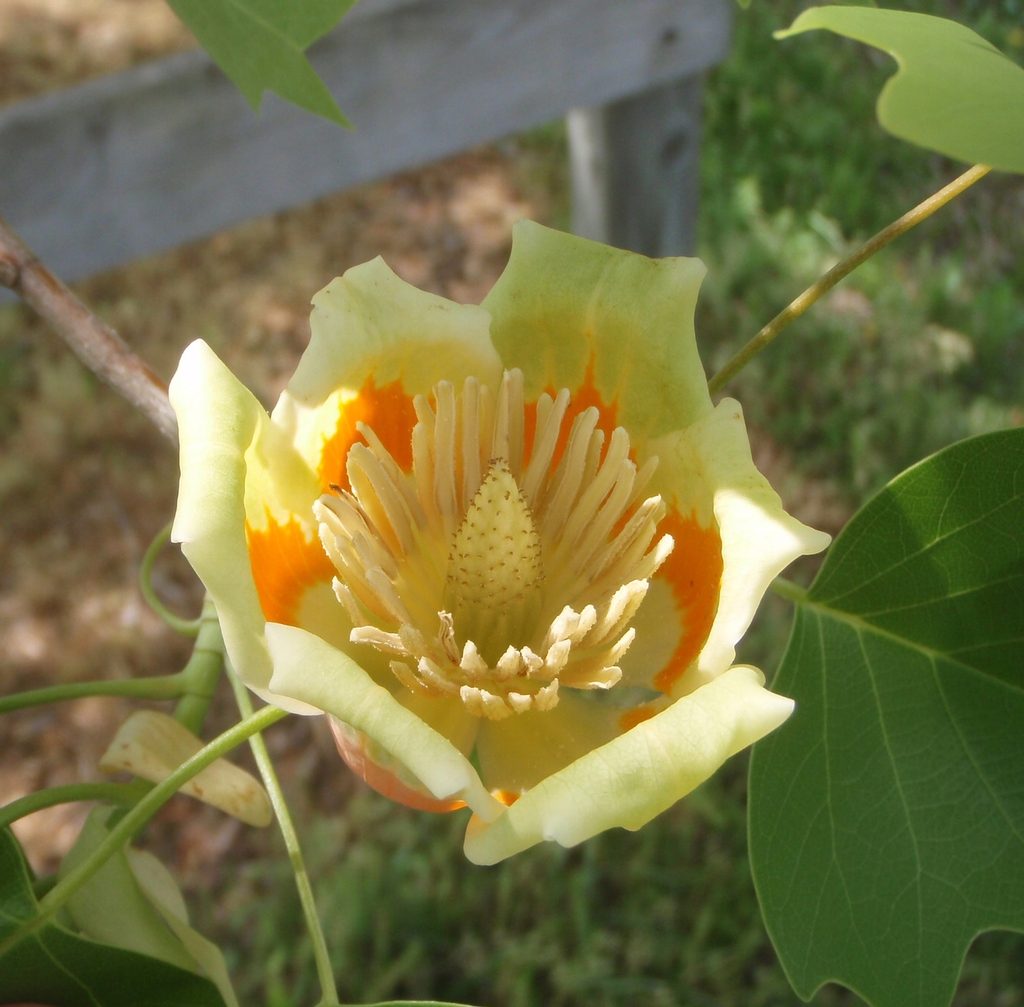
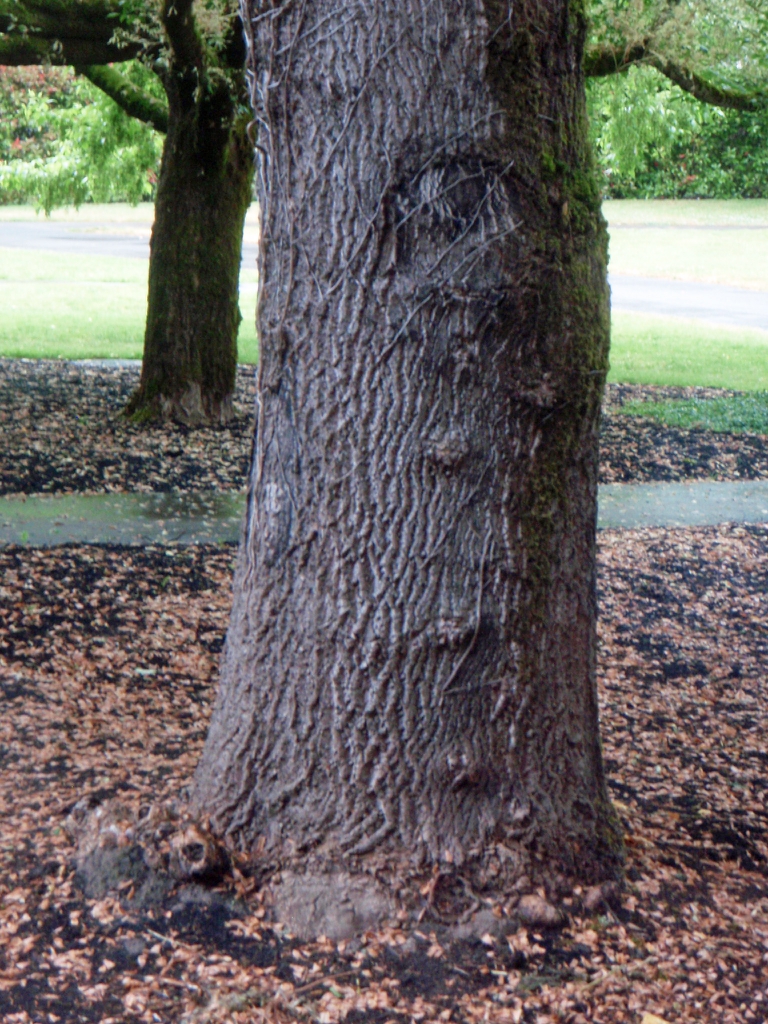
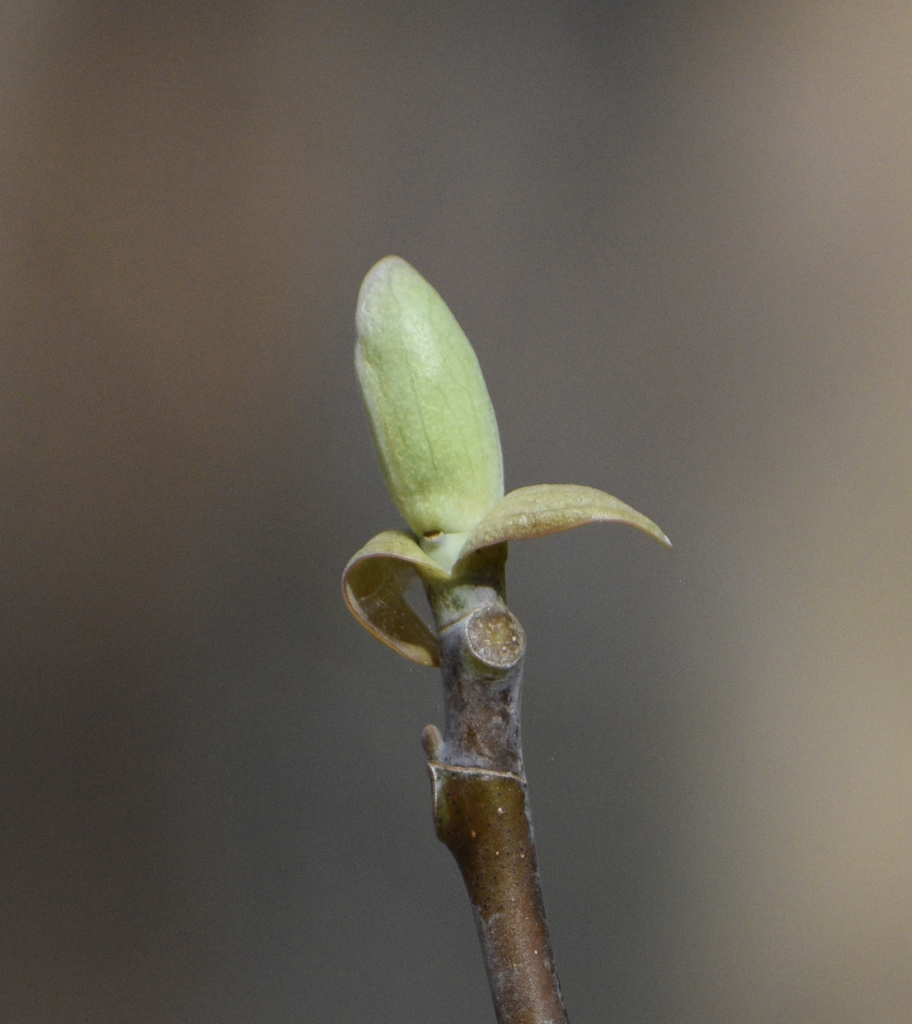
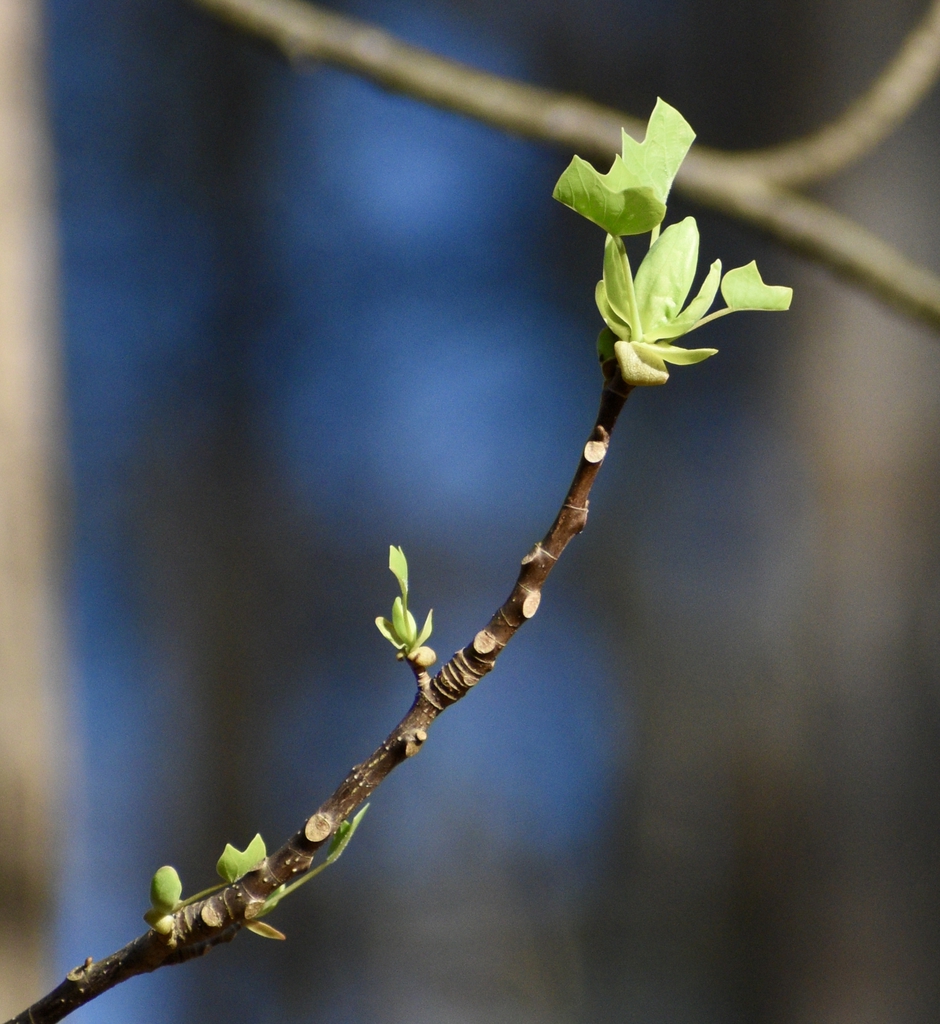
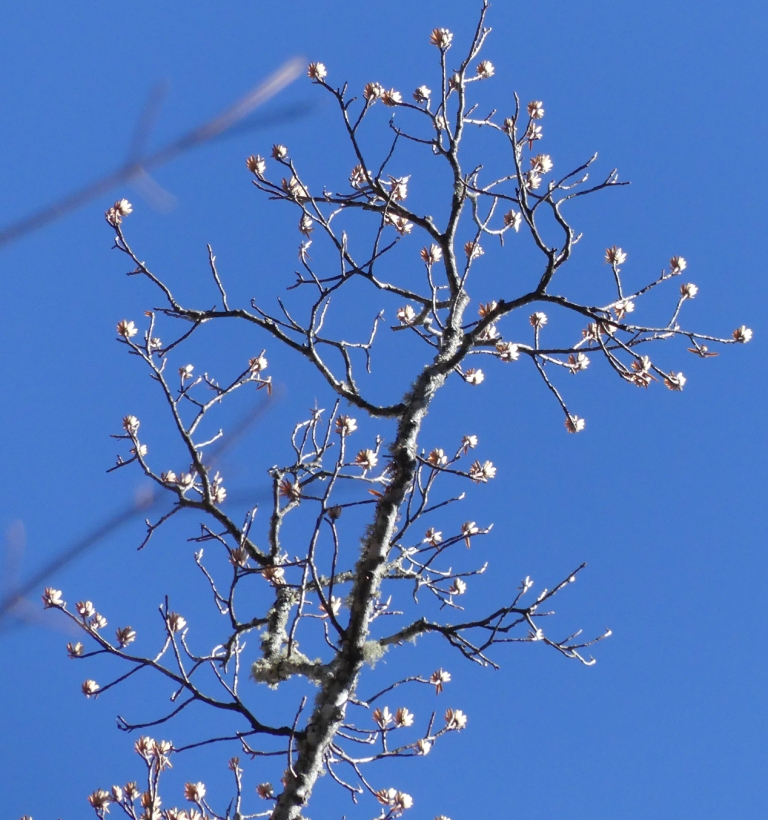
The tulip poplar is a native large deciduous tree that may grow 90 to 120 feet tall and takes its name from its greenish-yellow heartwood and attractive tulip-like flowers. The tree has alternate, palmately veined, 4-lobed leaves with a smooth margin. The bark is smooth and dark green on young trees. As the tree ages, wide, white furrows that separate flat ridges develop. In late spring, 2.5-inch flowers with yellow-green petals and an orange corolla mature. The flowers of the tulip poplar are followed by dry, scaly, oblong, cone-shaped brown fruits, each bearing numerous winged seeds. The tree produces an aggregate of overlapping samaras that separate at maturity in the late fall. A distinctive feature is its winter buds which resemble a duck’s bill. The trunks of mature trees may reach 4 to 6 feet in diameter, usually rising column-like with an absence of lower branches; the greenish-yellow heartwood does not develop until the tree reaches about 2 feet in diameter. It has been known to reach 200 feet in height with a trunk diameter of 8 to 10 feet. The crown is compact, pyramidal, and often tapers sharply at the top.
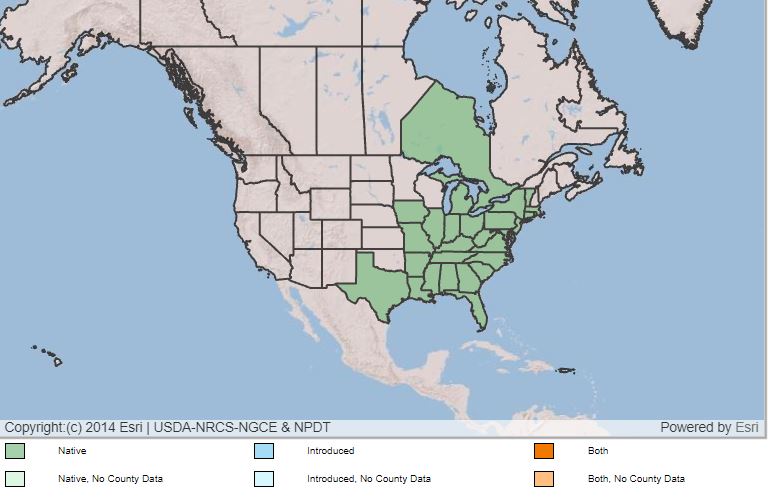
This tree is one of the largest native trees in North America and is native to southern Ontario and the central and eastern United States. The tulip poplar is found naturally in mesic forests, cove forests at least 1500 feet in elevation, bottomland forests, and swamps. This tree does best in deep, moist soils along streams and lower mountain coves. Native Americans used this tree for building canoes and the inner bark for medicine. It is the State tree of Kentucky, Tennessee, and Indiana.
The genus name, Liriodendron, originated from the Greek words leirion which means “lily”, and dendron meaning “a tree for the flowers.” The specific epithet, tulipifera, means “tulip” and references its form of flowers. It is a member of the Magnoliaceae or magnolia family.
This tree prefers moist, well-drained soil, full sun, and slightly acidic soil. It is pH and partial-shade adaptable. This tree is sensitive to heat and drought and has a low compaction tolerance. The tulip poplar can be pruned and kept at shrub size by cutting them to the ground every 2-3 years.
The tulip poplar is a favorite nesting site for birds, and the flowers attract butterflies and hummingbirds.
To plant, it needs a large area and does best in natural areas. It can have superb fall color of yellow to golden yellow but leaves abscise prematurely. It is not recommended for a small residential area or as a street tree. There are many cultivars available including smaller forms of this plant.
Fire Risk: This plant has a low flammability rating.
Seasons of Interest: Bloom: Spring Foliage: Summer and Fall Fruits: Fall
Quick ID Hints:
large, broad, pyramidal deciduous tree
winter buds resemble a duck’s bill
leaves alternate, board truncate apex, 3 to 4 lobes, green, waxy, and smooth on the upper surface, and paler beneath
tulip-like flower with greenish-yellow petals marked with orange at the base of each petal
cone-like green to brown fruits that contain samaras.
twigs have a sweet spicy scent when broken
Insects, Diseases, or Other Plant Problems: This plant has pest and disease problems. Pest includes scale and aphids. Large aphid infestations result in honeydew secretions on the leaves that provide the growing medium for sooty mold. Verticillium wilt, mold, powdery mildew, leaf spots, and canker are possible diseases. Fast-growing means they are weak-wooded, and susceptible to limb breakage in high winds or from ice/snow. Shallow root systems do limit the types of plants that may be grown within the drip line. During hot, dry weather the leaves tend to turn yellow and drop off. Rabbits eat the buds and inner bark of young trees.
Jim Robbins
Cathy Dewitt
Jim Robbins
Jim Robbins
Cathy Dewitt
Cathy Dewitt
Cyn Slaughter
 Dickson Tree Management & Beautification Board