Fraxinus americana
Common Name(s): White Ash, American Ash
Phonetic Spelling
FRAK-si-nus a-mer-ih-KAY-nah
Description
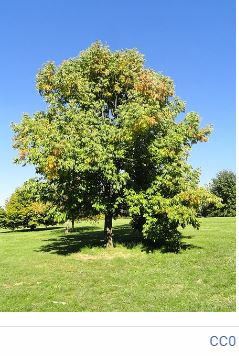
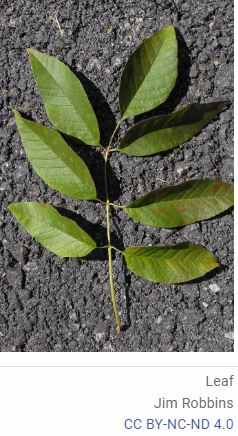
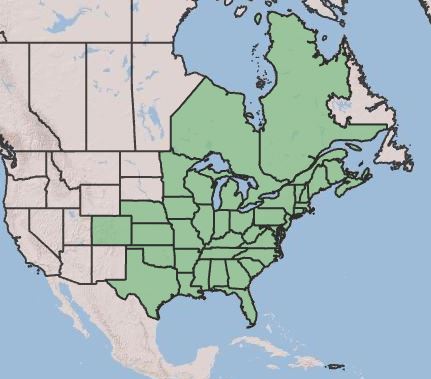
White ash is a deciduous tree in the olive family (Oleaceae). It is native to eastern North America and Mexico. It usually grows rapidly to 60 to 90 feet tall and 50 to 75 feet wide with a 2 to 3-foot trunk diameter, but it can reach 120 feet in height and is the largest of the native ashes. The epithet means “American.”
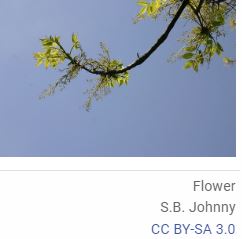
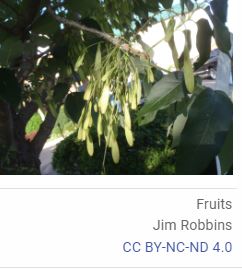
White ash grows best in rich, moist soils with good drainage but will grow in any type of sun exposure—full sun to shade—and in any soil and pH. Ash trees have male and female flowers on separate trees and only the female flowers develop into fruits. Propagate by seed. White ash tends to be easily transplanted and established as it is resistant to deer, rabbits, drought, wet soil, urban conditions and fire.
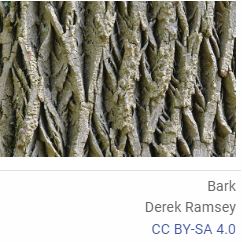
The juice from leaves relieves the swelling and itching of mosquito bites and has a folkloric use as a prophylactic measure for snake bites. The tough, elastic wood has a pleasing grain and is used to make tennis racquets, hockey sticks, oars, furniture, interior floors and the Louisville Slugger baseball bat.
White ash is suitable as a shade tree in a recreational play area, planted along a street, or used in a children’s, butterfly or native garden.
Insects, Diseases and Other Pest Problems: Planting new ash trees is no longer recommended due to the trees’ susceptibility to the emerald ash borer, a pest that feeds under the bark and bores into the wood. Emerald ash borer will typically kill an ash tree within 3 to 5 years after infestation and, once infestation occurs, it is difficult to eradicate. Other potential problems are redheaded ash borer, lilac borer, carpenter worm, oyster shell scale, leaf miners, fall webworms, ash sawflies and ash leaf curl aphid. Potential disease problems include verticillium wilt, ganoderma root rot, surface fungal rot, fungal leaf spots, powdery mildew, rust, anthracnose, cankers and ash yellows. General ash decline is also a concern. Brittle branches are susceptible to damage from high winds, snow and ice. The fruits of female trees can be a bit of a nuisance near a walkway.
 Dickson Tree Management & Beautification Board