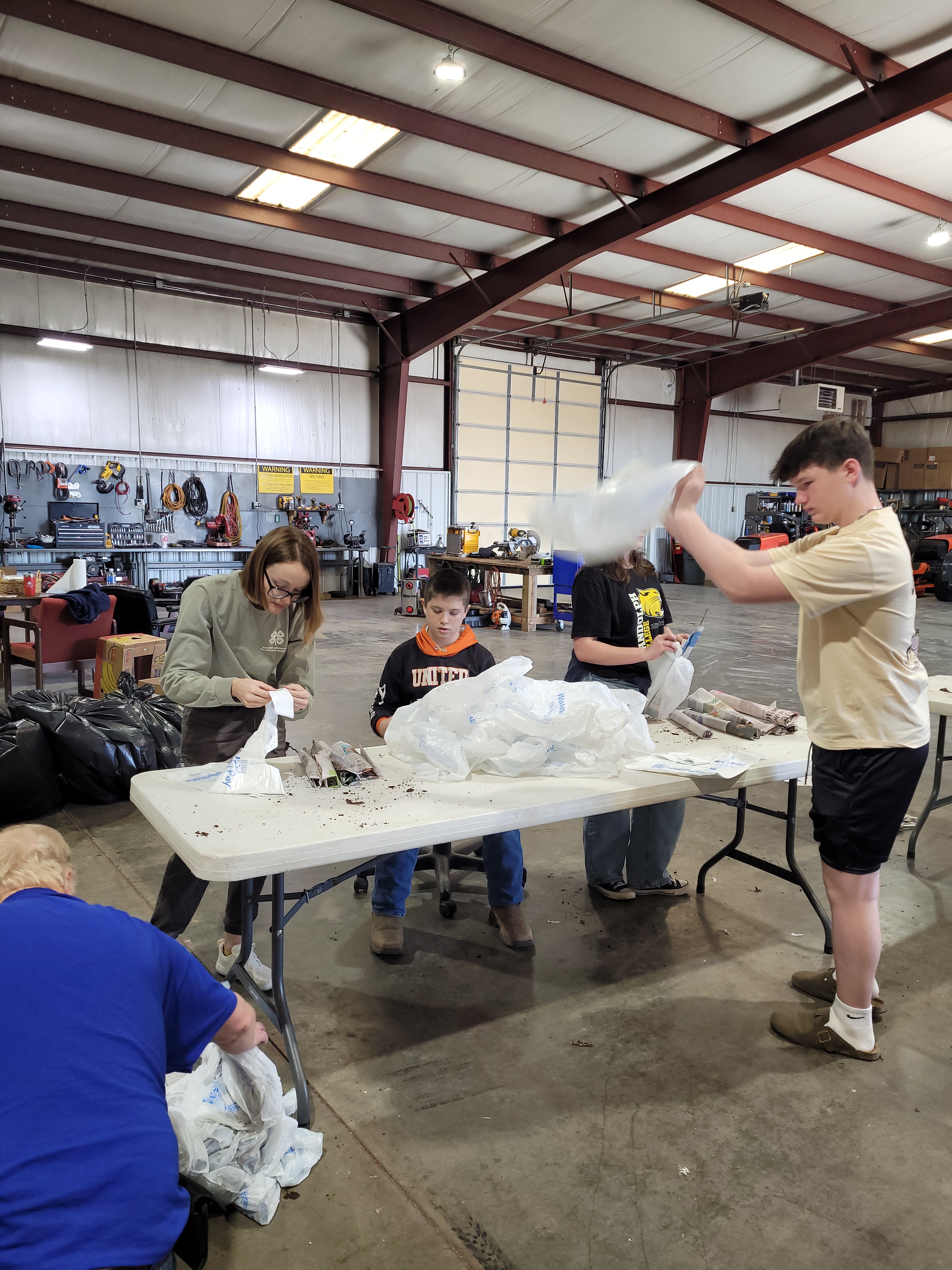
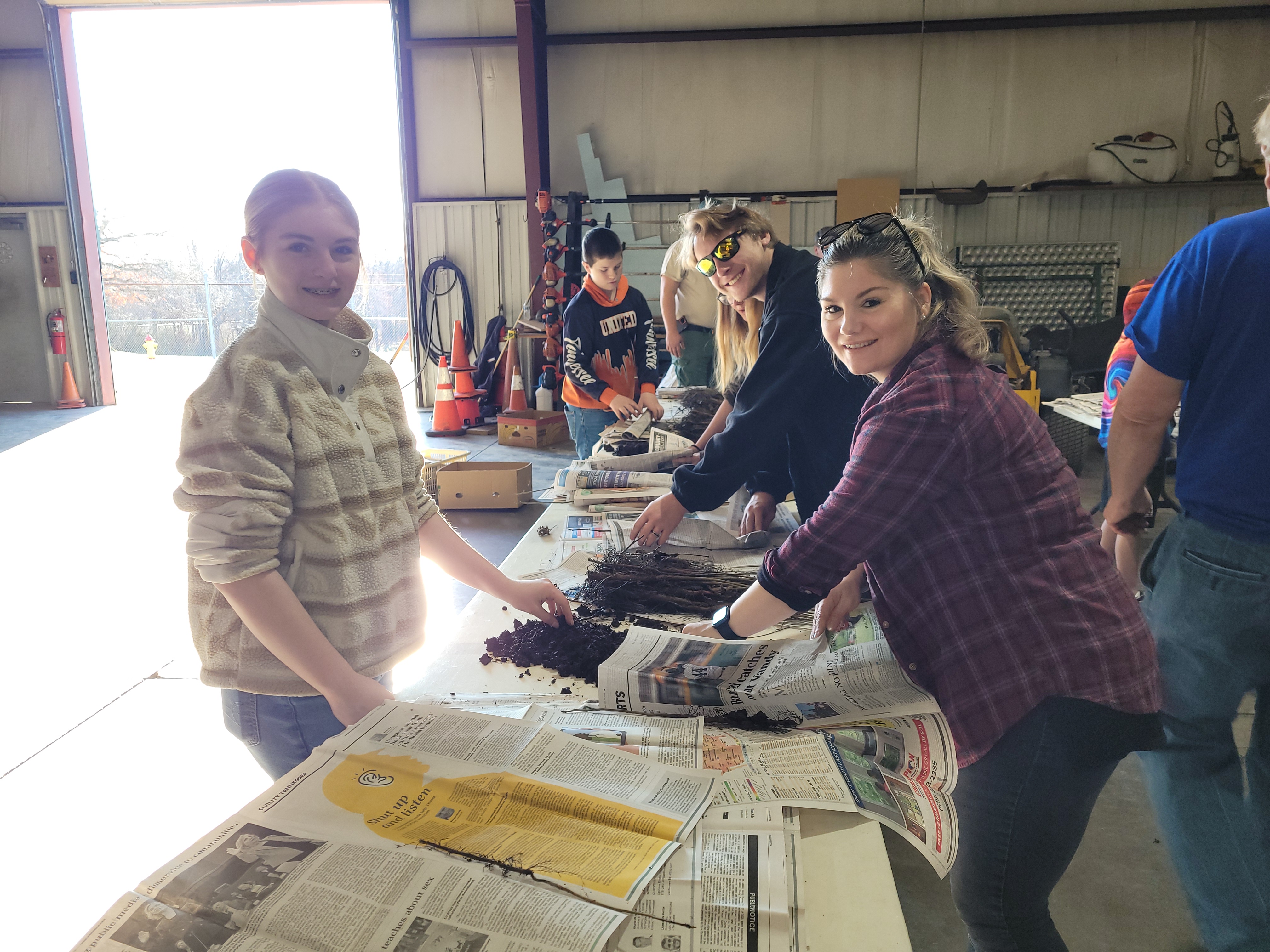
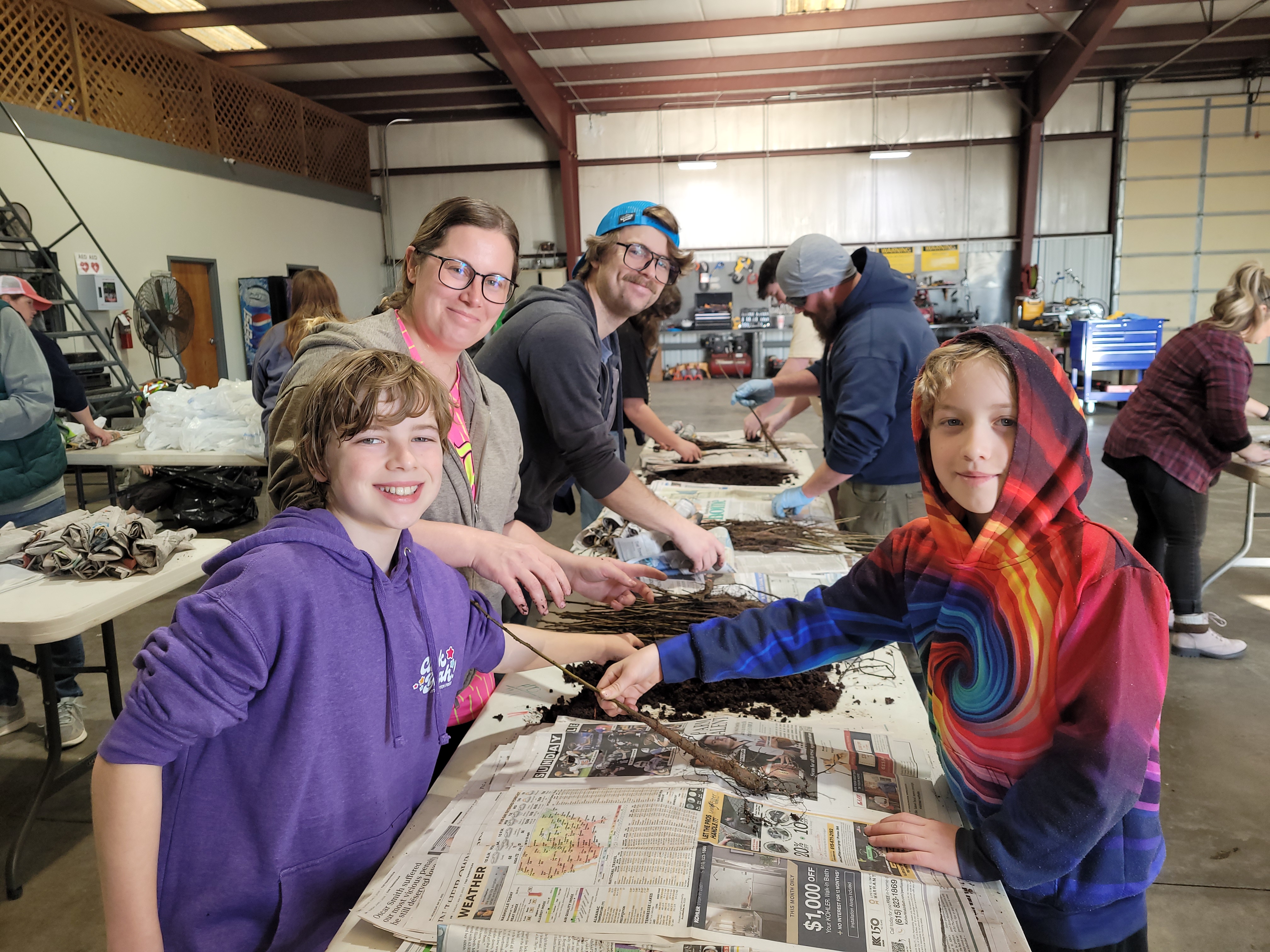
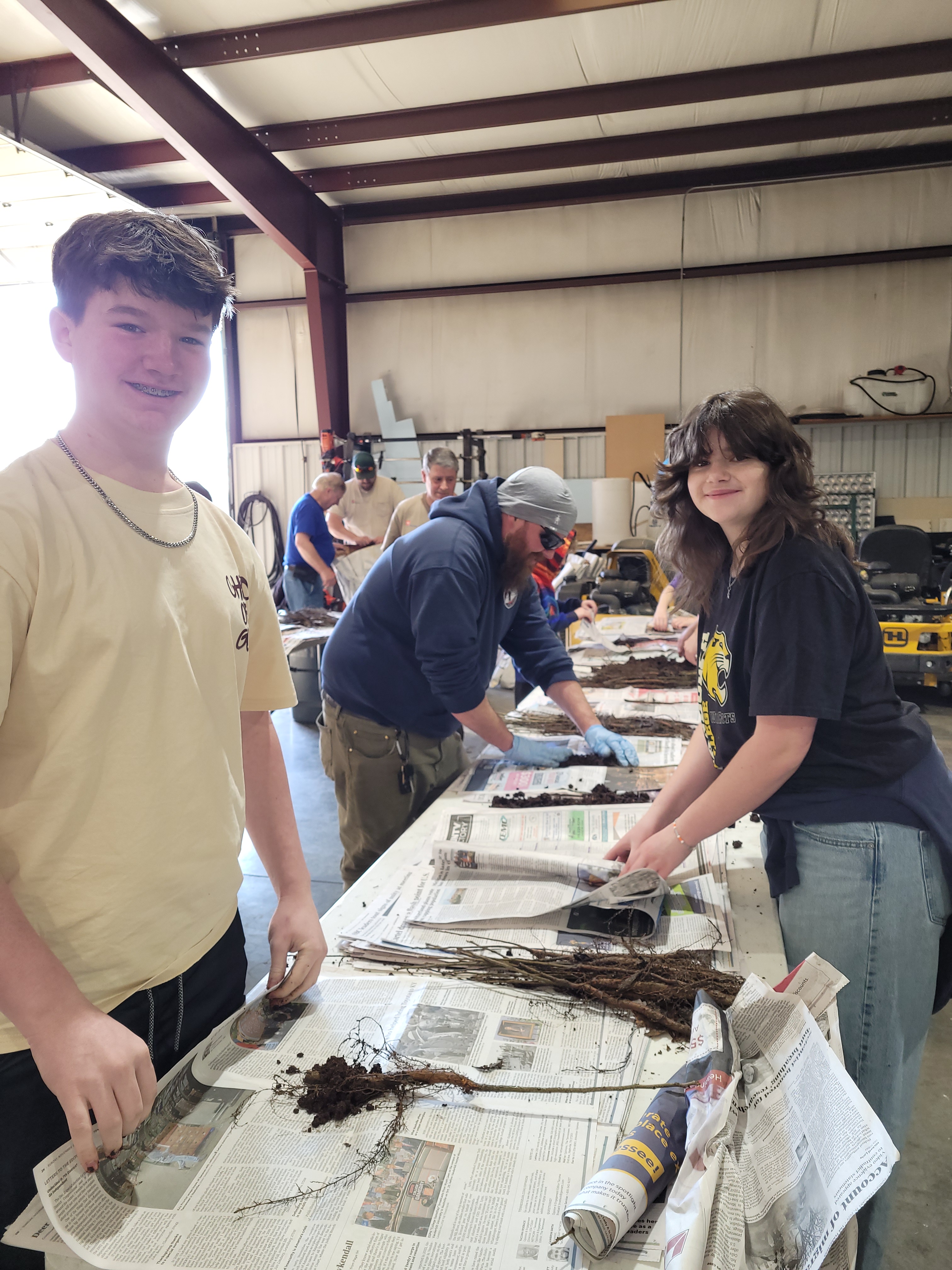
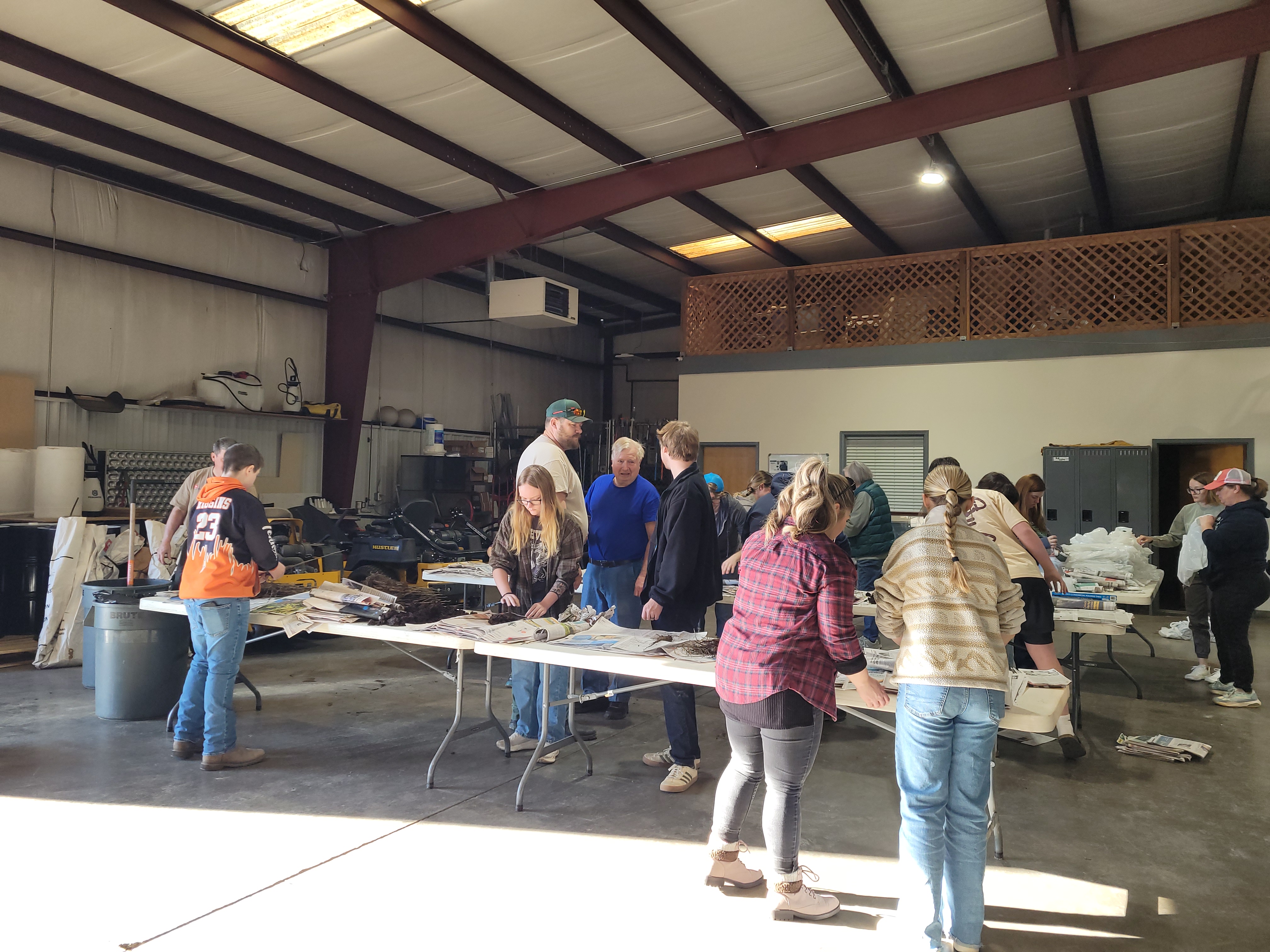
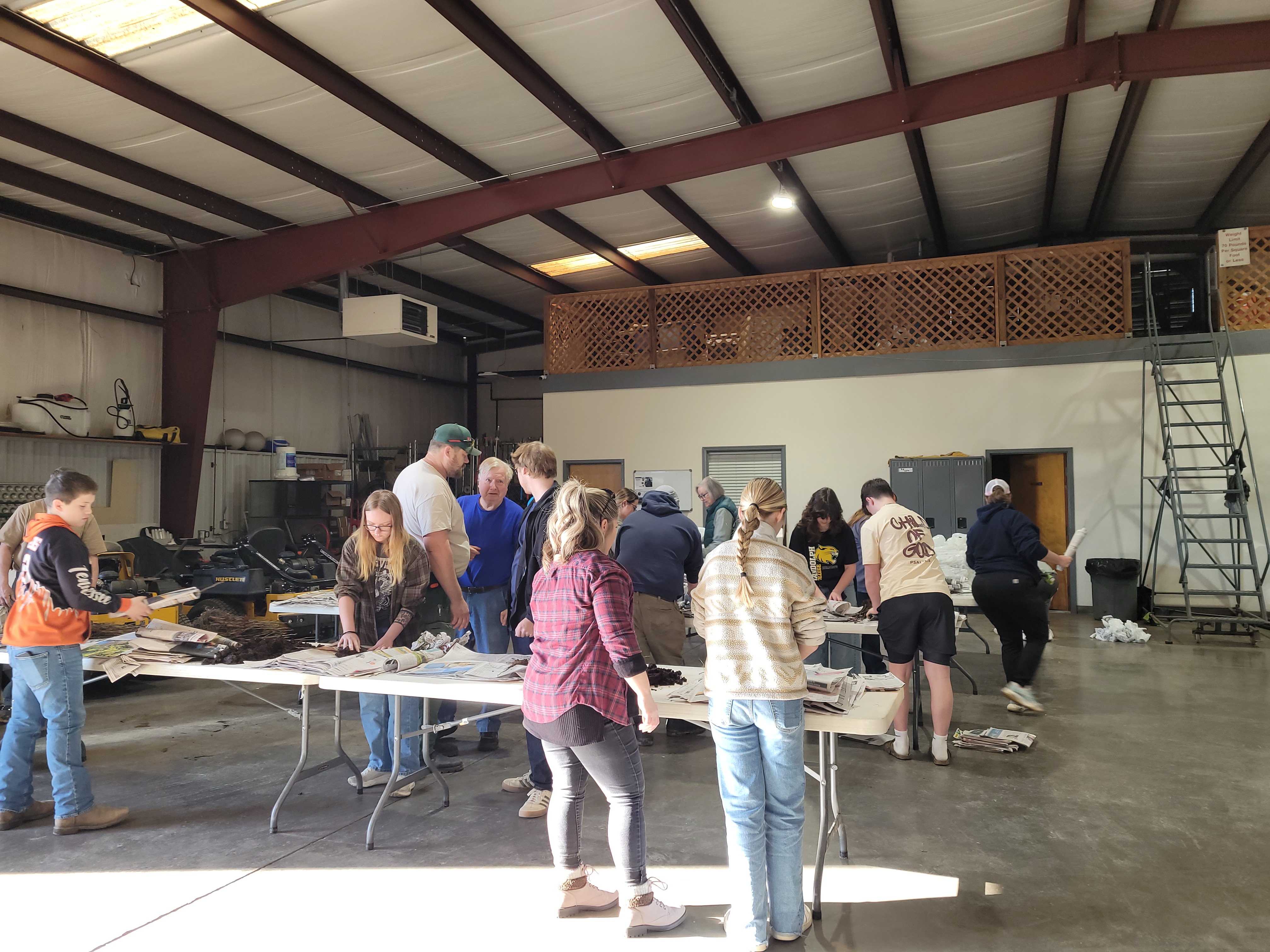
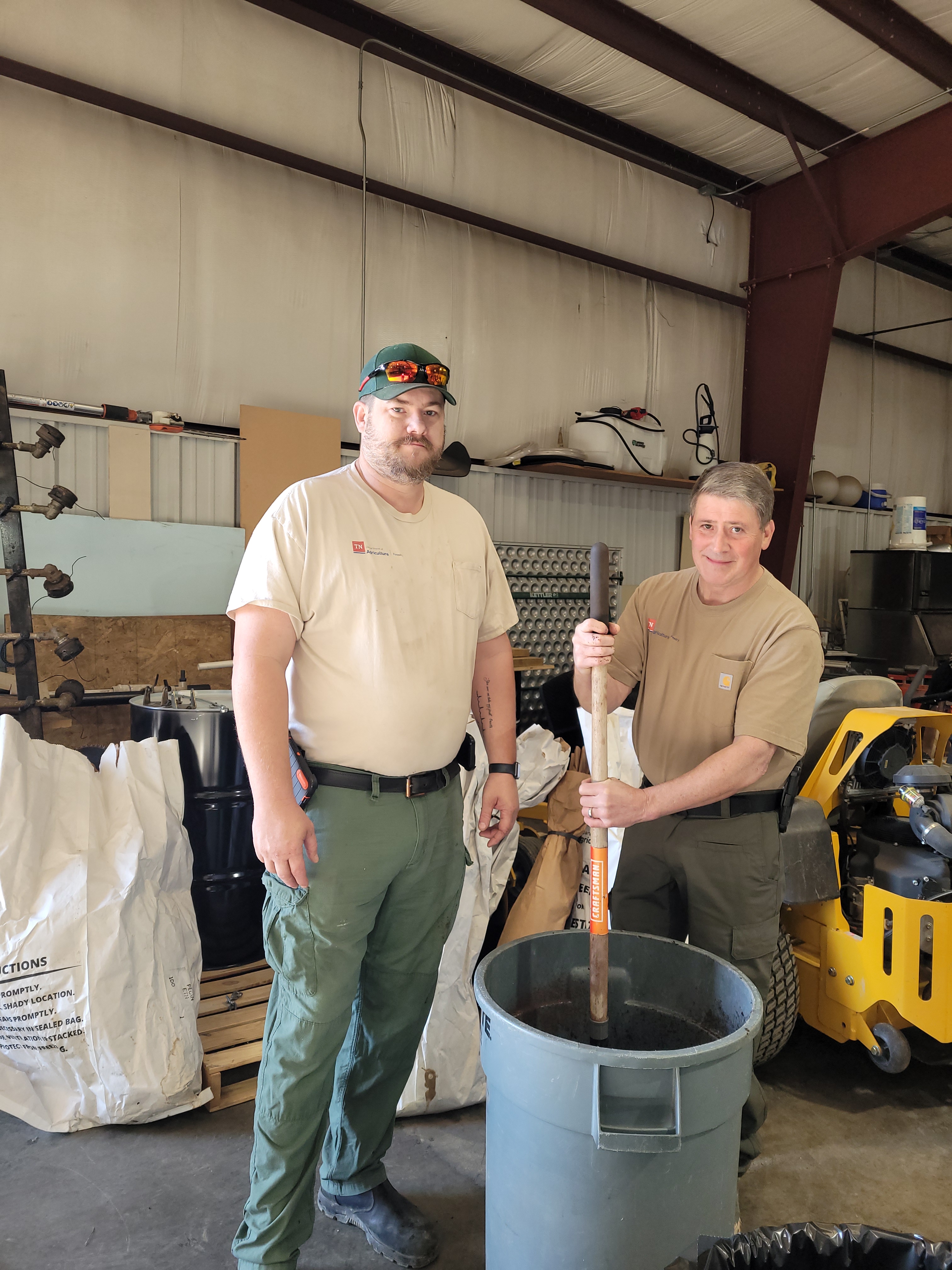
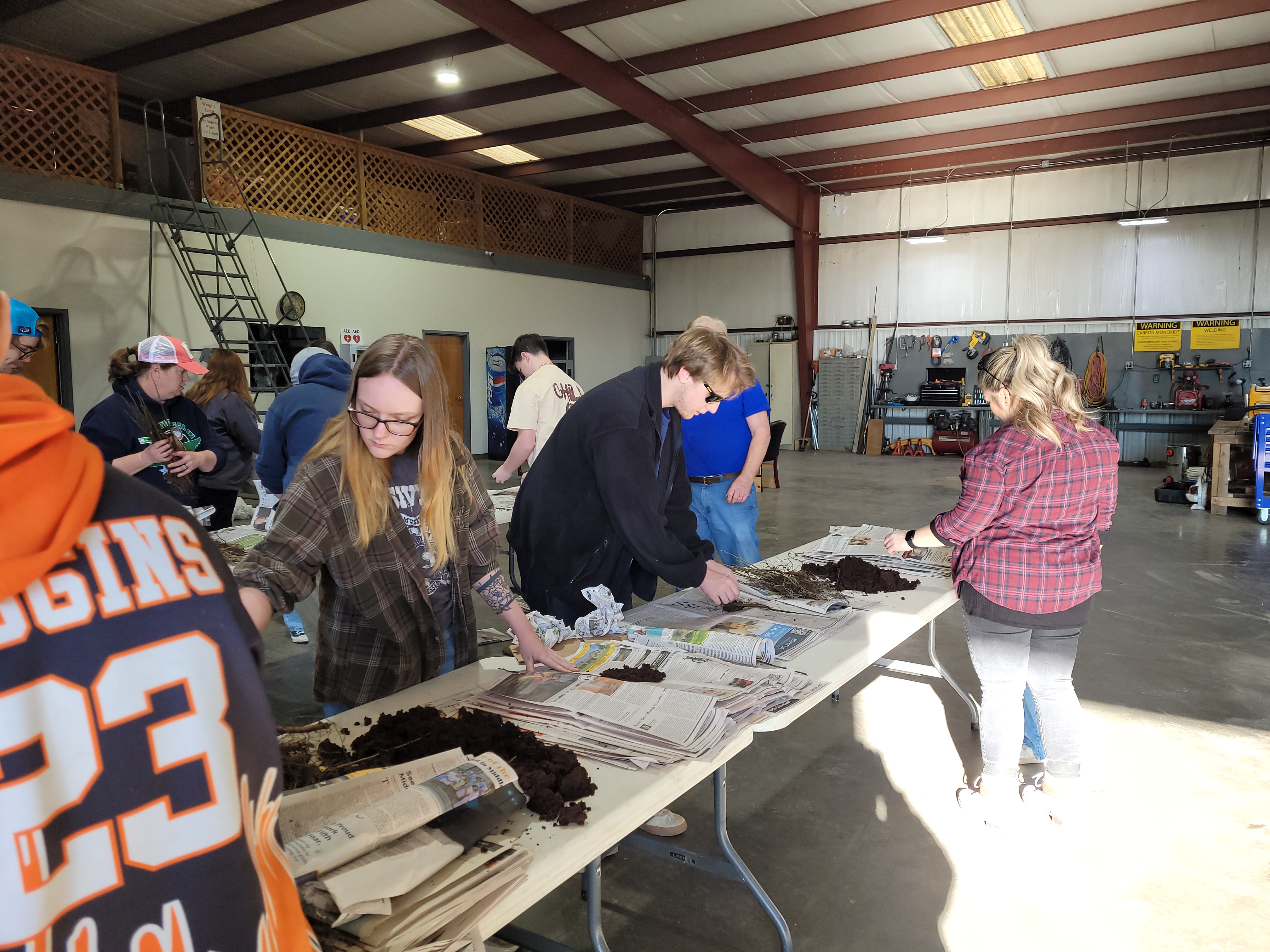
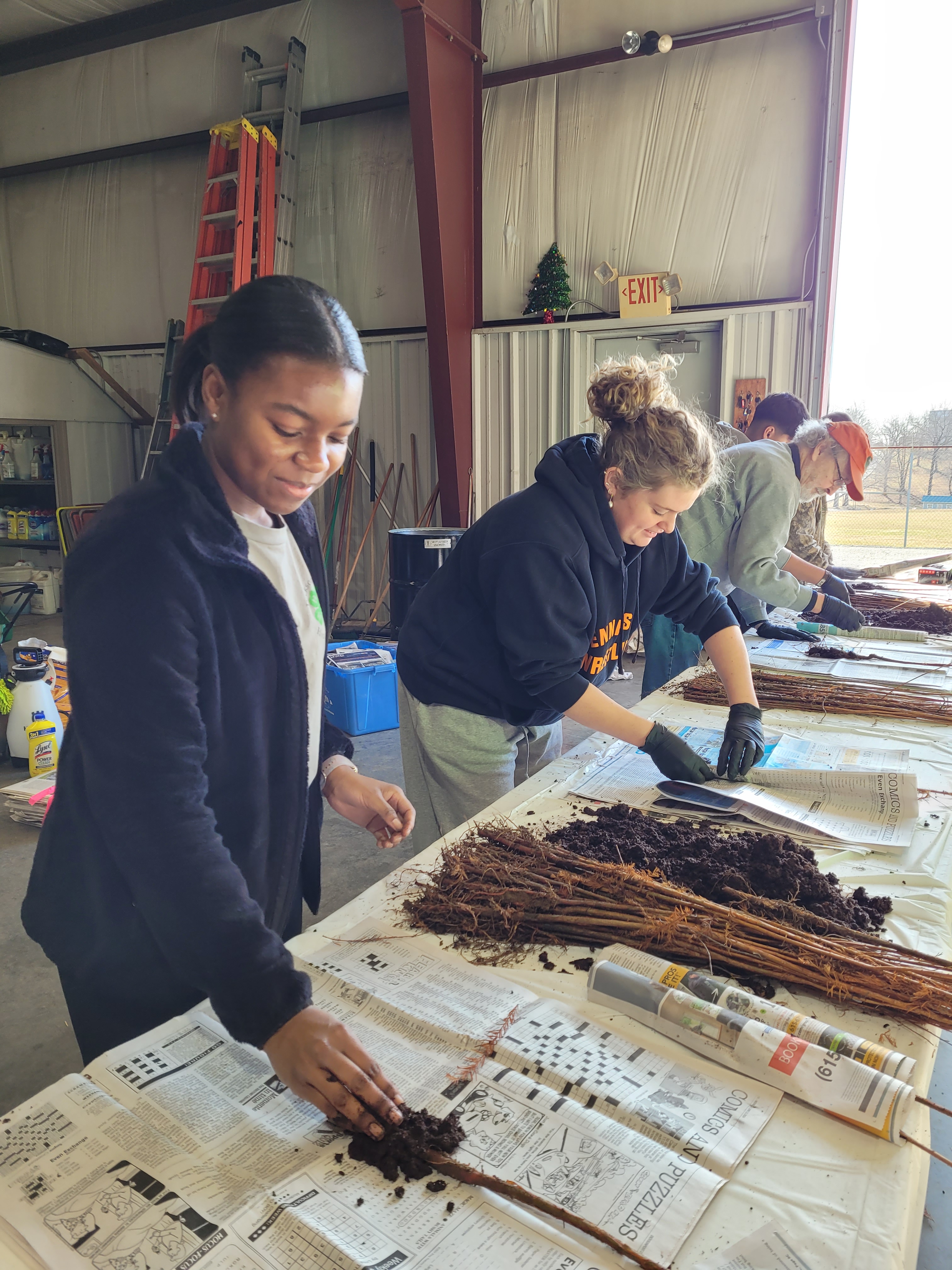
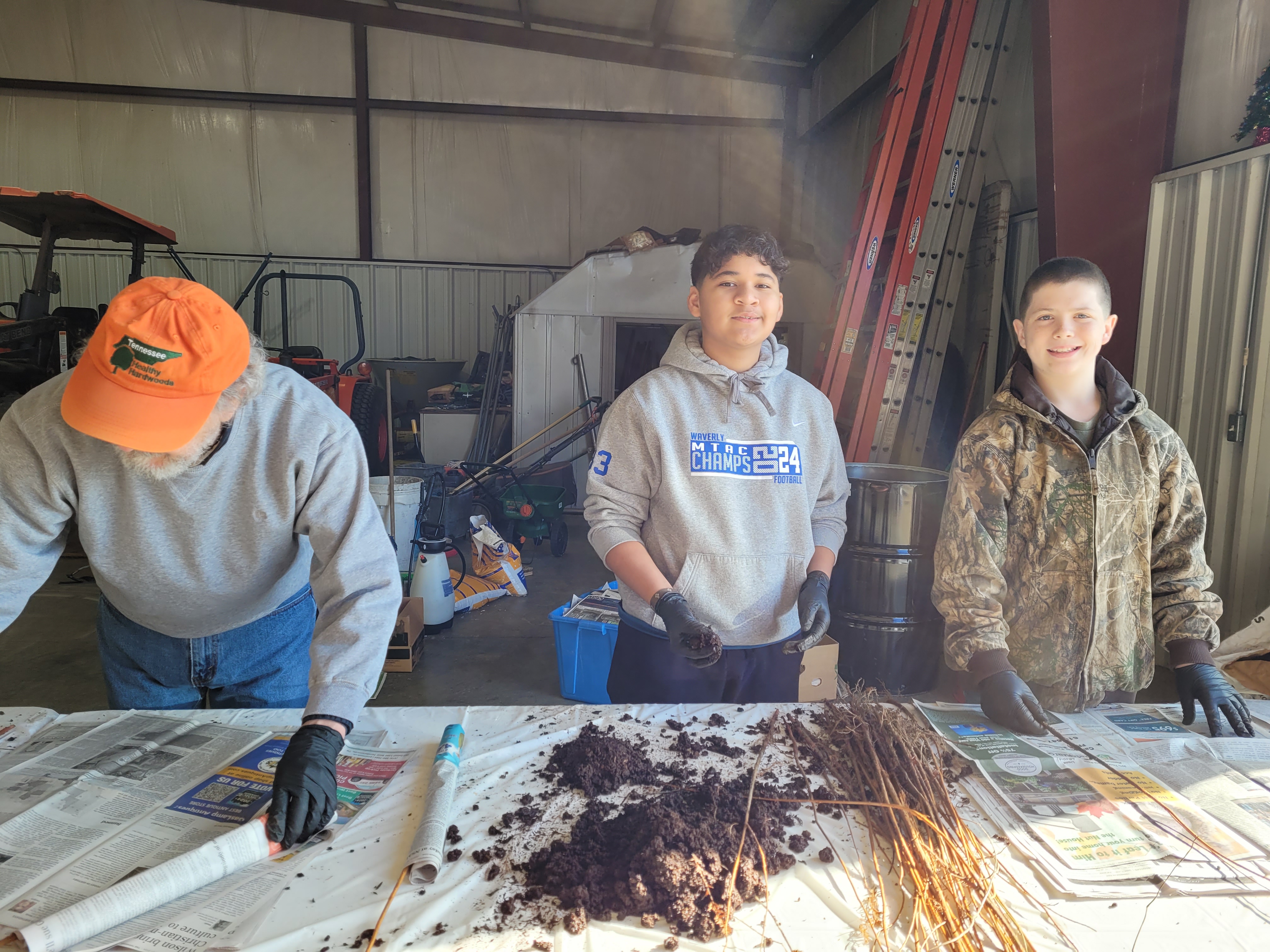
Once again we had a great volunteer crew turn out to help prepare Pecan tree seedlings to be handed out to every 4th grader in Dickson and Humphreys County. Every tree is wrapped in newspaper with damp peat moss to keep it from drying out, then packaged in a bag. The Dickson Tree Mgmt. and Beautification Board thanks all our volunteers and hope to see them again next year.
The City of Dickson Arboretum has a new addition ~ a Bigtooth Aspen, generously donated by area resident Sheryl Eades. Read all about this species here: https://dicksontreeboard.org/bigtooth-aspen/
Dickson, TN – May 19, 2025 – Hold your breath, nature lovers! A true botanical marvel is gracing our very own City of Dickson Arboretum. The magnificent Magnolia macrophylla, also known as the Bigleaf Magnolia or Large Leaf Magnolia, is in bloom, offering a lovely sight for all who visit. This event couldn’t be timelier, as the Arboretum celebrates its official Grand Opening and ribbon-cutting ceremony as a certified Tennessee Urban Forestry Council (TUFC) Arboretum tomorrow, May 20th at 1 pm, in Buckner Park! For those unfamiliar, the Bigleaf Magnolia is a tree that truly lives up to its name. It boasts the largest simple leaves of any North American native tree that can reach an astonishing 30 inches or more in length! Imagine standing beneath a canopy of these colossal, lush green leaves, gently rustling in the spring breeze. But the true showstoppers, appearing from May to early summer, are the flowers. Enormous and creamy-white, these fragrant blossoms can span an incredible 8 to 14 inches in diameter. It’s a sensory delight, with a sweet fragrance that attracts pollinators like beetles – a nod to its ancient lineage.
Large leaf magnolia bloom
The City of Dickson Arboretum, nestled within J. Dan Buckner Park, is home to these incredible trees – look for specimens tagged A013 and a smaller tree at B005. So, pack a picnic, bring your camera, and take a stroll through the City of Dickson Arboretum any day that weather permits ~ blooms are fleeting, don’t miss out. Witnessing the Bigleaf Magnolia in bloom is an experience you won’t soon forget. While you’re there, explore the many other native and ornamental tree species that make our Arboretum a true gem. Please note: While the magnolias are anticipated to be in their prime blooming period, the exact timing of nature’s displays can vary.
You’re Invited! Grand Opening & Ribbon Cutting of the City of Dickson Arboretum The City of Dickson Arboretum announces the grand opening and ribbon-cutting ceremony for our newly certified TUFC Arboretum! Join us as we celebrate this exciting achievement, and the beautiful collection of trees now officially recognized for their diversity and educational value. Date: Tuesday, May 20, 2025 Time: 1 pm Location: City of Dickson Arboretum in Buckner Park Come and enjoy: The official ribbon-cutting ceremony Brief remarks from city officials and guests An independent walk through some of our local tree species Light refreshments This arboretum will serve as a valuable community resource for education, conservation, and enjoyment for years to come. We hope to see you there as we celebrate this significant milestone for our city!
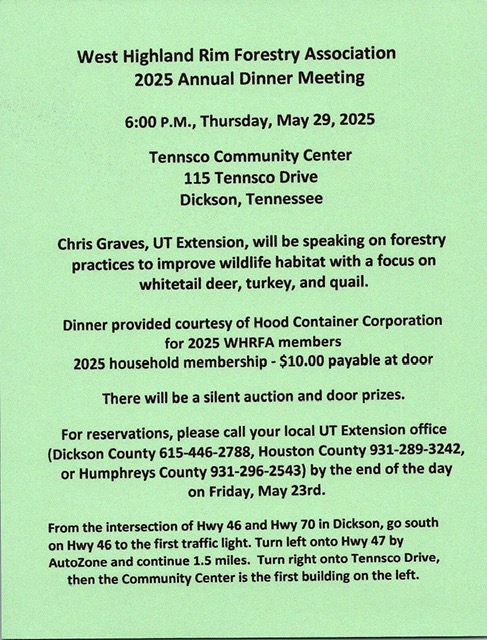
Members and Friends of the Forestry Association: A reminder that the annual meeting is at 6:00 PM, Thursday, May 29, 2025, at the Tennsco Community Center in Dickson. Chris Graves, UT Extension, will be the speaker. For more details, please see the included postcard announcement. Once again, Hood Container Corporation in Waverly is generously sponsoring dinner for 2025 WHRFA members. Annual memberships are $10.00 per household, payable at the meeting. There will be a silent auction and door prizes as well. Please make reservations by end of the day, Friday, May 23rd, by calling the UT Extension Office in Dickson County (615.446.2788), Houston County (931.289.3242), or Humphreys County (931.296.2543).
White Oaks: White Oak Quercus alba: A large, long-lived tree known for its sturdy, durable wood. (A015, C007, C013) Chestnut Oak Quercus prinus: A large, long-lived tree with leaves resembling American Chestnut. Bur Oak Quercus macrocarpa: Known for its large acorns and burr-like caps. Swamp White Oak Quercus bicolor: Adaptable to wet conditions. Post Oak Quercus stellata: Common in drier, upland soils. (C001, C009, C012) Chinkapin Oak Quercus muehlenbergii: Prefers drier locations with alkaline soil.
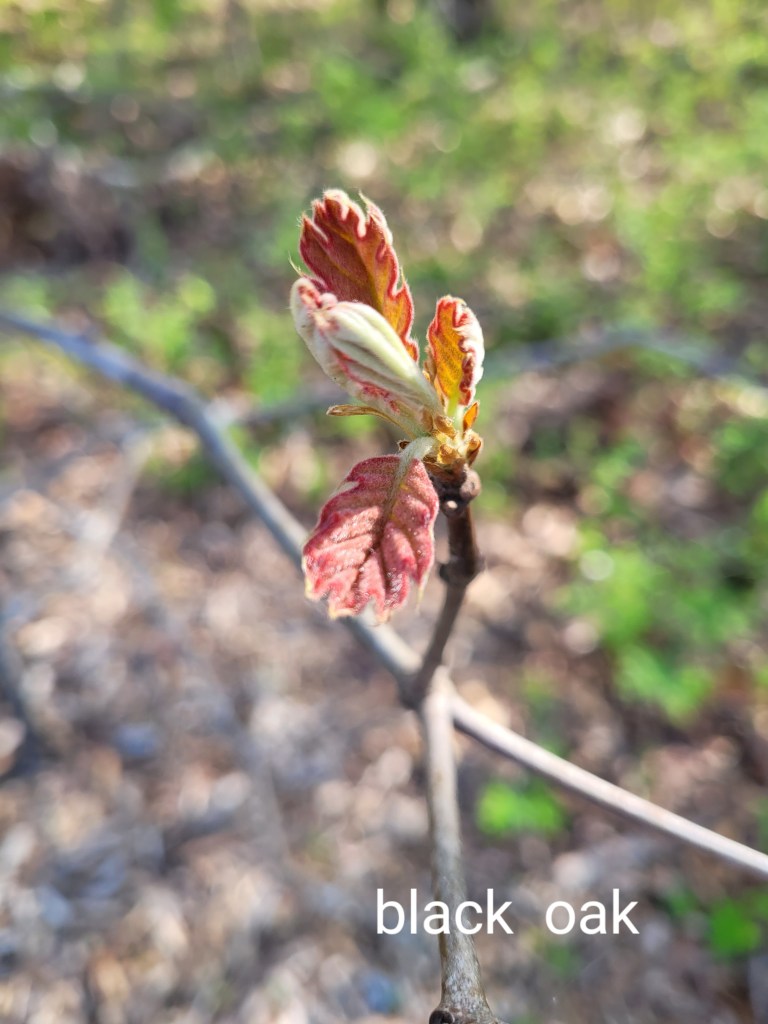
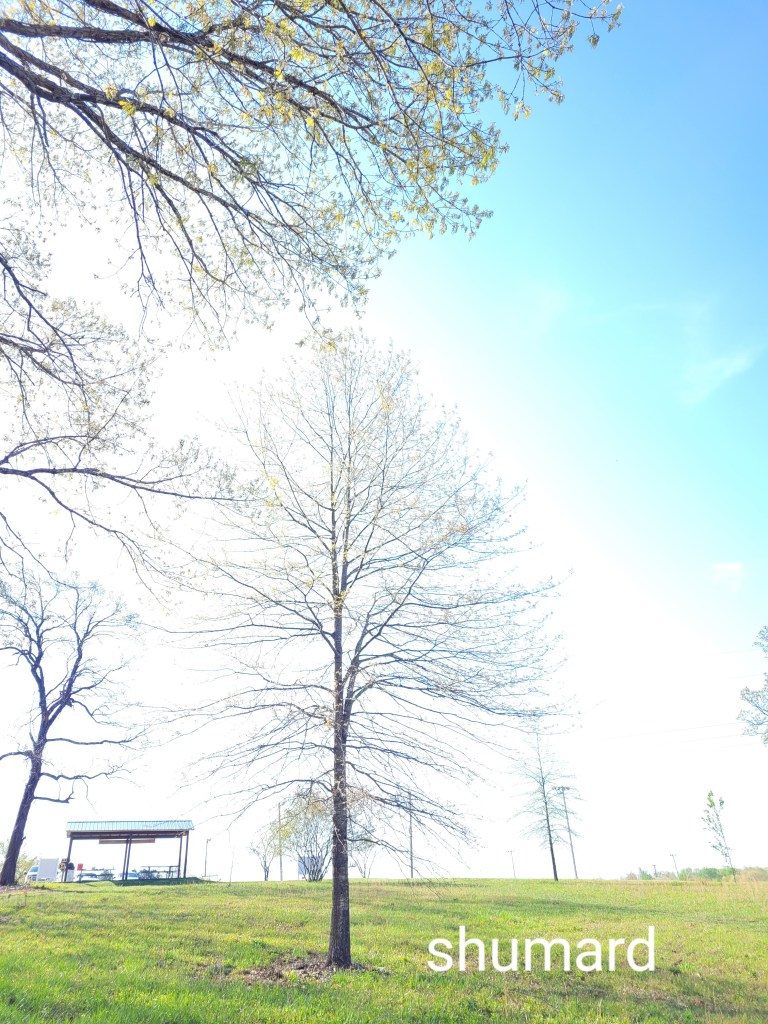
Red Oaks: Southern Red Oak Quercus falcata: Distinctive leaves with long, sharply pointed lobes. (A004 sapling and A015 mature) Black Oak Quercus velutina: Common in upland forests. (A009) Scarlet Oak Quercus coccinea: Known for its bright red fall foliage. (B007, C002) Northern Red Oak Quercus rubra: A large, fast-growing tree. Blackjack Oak Quercus marilandica: Adapted to poor soils and drought conditions. Shingle Oak Quercus imbricaria: Found in moist soils. (B004) Pin Oak Quercus palustris: A popular choice for landscaping, especially in the central part of Tennessee. (B002, D002) Willow Oak Quercus phellos: Prefers wet soils and is known for its narrow, willow-like leaves. (A024) Water Oak Quercus nigra: Found in wet, bottomland areas. Cherrybark Oak Quercus pagoda: Similar to Southern Red Oak but found in coastal plains. Overcup Oak Quercus lyrata: Common in swamps and bottomlands. (B003) Nuttall Oak Quercus nuttallii: A type of red oak. (B014) Swamp Chestnut Oak Quercus michauxii: A type of red oak. Shumard Oak Quercus shumardii (A006)
Cerris Oak: Sawtooth Oak Quercus acutissima (C011)
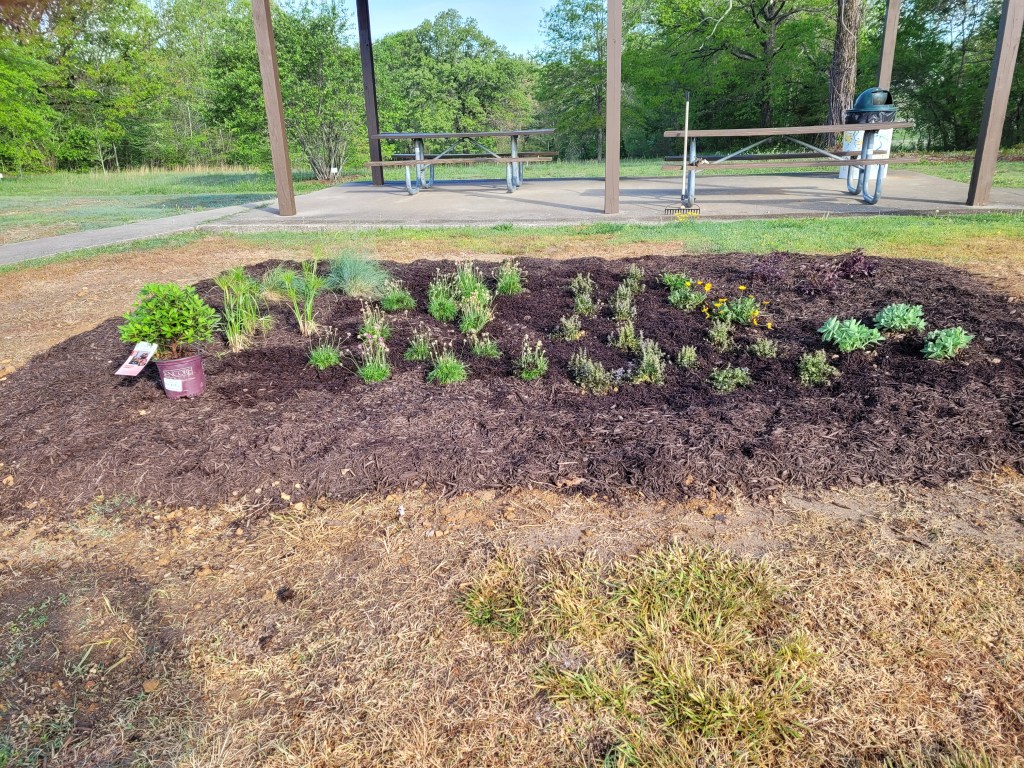
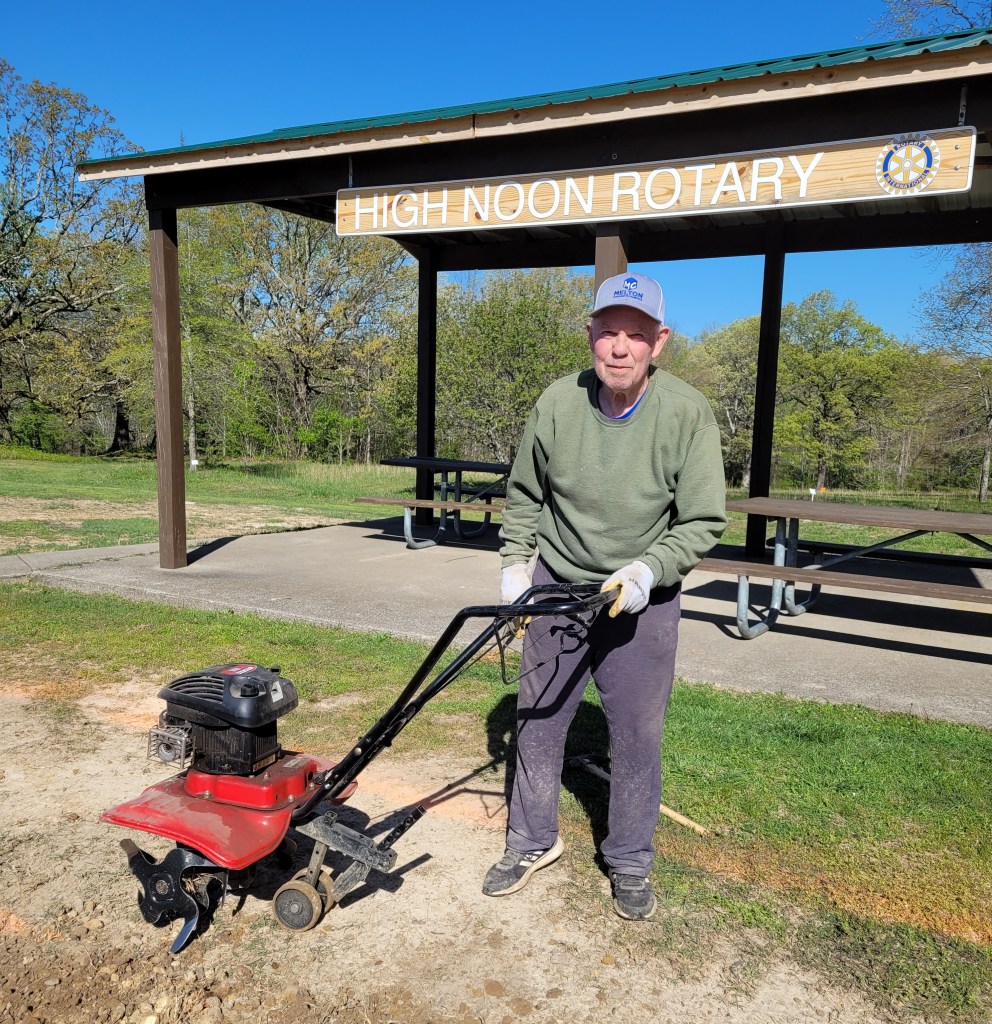
Members of the Dickson Tree Board have been working hard putting in a small entrance garden at the Arboretum. The soil was hard and compacted, but Warner Taylor powered through it with the help of a tiller. The existing soil was amended before installing a good variety of plants. It’s still a work in progress and the recent rain has helped tremendously. We’ll be in the arboretum every day, watering and maintaining the bed. It’s hard work, but the rewards are great. We hope you enjoy it.
View from the front – we’re anxiously waiting for them to grow into their space!The last plant ready to go in!Pretty good soil once we got through the top layer. Warner Taylor determined to till up rock-hard soil!Preparing for plantingAmendments!
If you’re looking for a peaceful escape, the arboretum in springtime is where it’s at. Fresh green leaves starting to unfurl, spring ephemeral wildflowers painting a gentle carpet, soft winds blowing, and plenty of trails to wander are waiting for you.
Our local arboretum has a good variety of trees and is adding more every season. The arboretum is the perfect place to hear and see birds, insects, and other small wildlife. If you’re looking for a relaxing afternoon or just need a dose of fresh air and natural beauty, visit the arboretum this spring. Pack a picnic, bring your camera, and take your time. The arboretum is local, it’s free to visit, and open all day long.
Enjoy these photos and if you want to share some you have taken, we’re happy to see them.
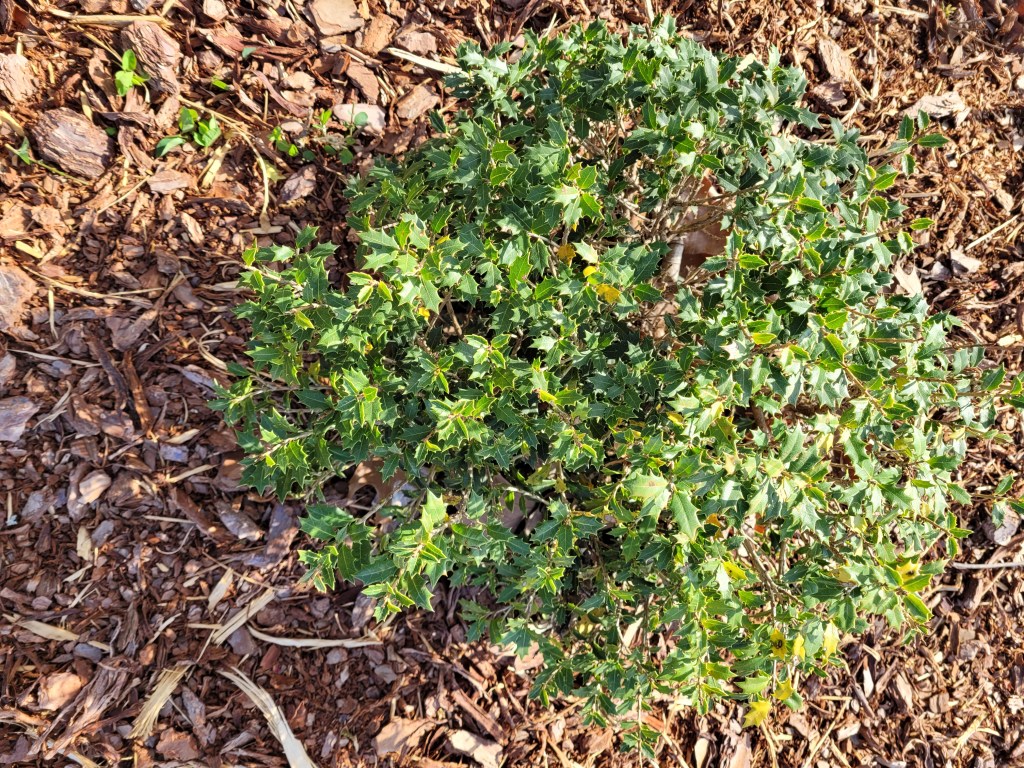
This tree was cut this year as it had died and become a hazard. The surrounding area will become a wildflower patch.Tiny white wildflowers growing in mats throughout the arboretum – watch for them underfoot, they are only here for a short time.Small False Olive Shrub is the first to be planted in a recently cleared area between two large trees. This small shrub is struggling a bit in a tough area filled with roots, but is still alive and growing. Affectionately called “Alice” ~ stop by and say hi when you are visiting.
We set a new record for wrapping tree seedlings – well over a thousand in an hour and a half! We had some great volunteers and the work went quickly. Every tree is wrapped in newspaper with damp peat moss to keep it from drying out, then packaged in a bag. These bald cypress seedlings will be handed out to every 4th grader in Humphreys and Dickson County.
Winter often brings a stark, seemingly lifeless landscape. But beneath the snow and bare branches lies a hidden world of beauty – the intricate textures and patterns of tree bark. With leaves absent, the bark takes center stage, revealing its unique characteristics and stories.
Why Winter is Prime Time for Bark Appreciation
Unveiled Beauty: Without the leafy canopy, tree bark becomes fully visible. Its colors, textures, and patterns stand out in the winter sunlight, creating a striking contrast.
Identification: Winter is an excellent time to practice tree identification skills. Bark is a key feature, offering clues to a tree’s species, age, and health.
Insights: Bark provides a protective layer for trees, shielding them from harsh weather, pests, and diseases. Studying bark can offer insights into a tree’s adaptations and resilience.
Tips for Appreciating Winter Bark
Take a Walk: Explore your local arboreta, parks or forests in winter. Bring a camera or sketchbook to capture the beauty you find.
Look Closely: Examine the bark’s texture, color, and patterns. Notice the variations within a single tree and between different species.
Learn the Lingo: Familiarize yourself with terms like lenticels, fissures, and scales to better understand bark characteristics.
Use Resources: Field guides and online resources can help you identify trees by their bark and learn more about their unique features.
Winter may seem like a time of dormancy, but it’s also a season of subtle beauty and hidden stories. By taking a closer look at tree bark, you can discover a new appreciation for the natural world and the resilience of trees.
This is the perfect time of year to visit the City of Dickson Arboretum at Buckner Park, so pick a clear sunny day to wander through and pay attention to the tree bark. The Shagbark Hickory and River Birch are particularly interesting and beautiful.









































 Dickson Tree Management & Beautification Board