
Upcoming New Addition to the City of Dickson Arboretum
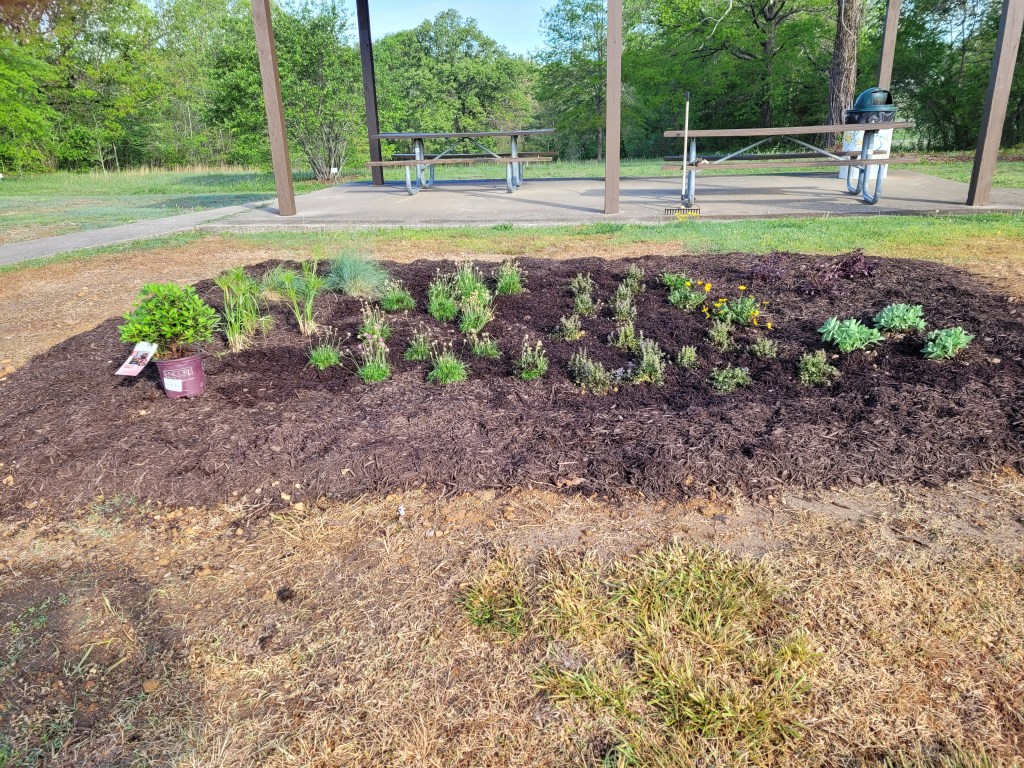
Dickson Tree Management & Beautification Board is planning to plant a Bebb’s Oak in the City of Dickson Arboretum this season. It’s a small tree and we’ll be doing our best to protect it as it grows. Once it is established and growing well, it will be added to our tree list. In the meantime, the following article will give you an idea of why this tree was chosen.
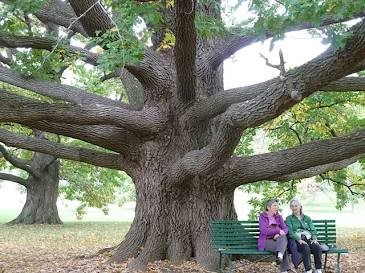
Bebb’s oak (Quercus × bebbiana) is a naturally occurring hybrid between two of North America’s most iconic hardwood trees: the white oak (Quercus alba) and the bur oak (Quercus macrocarpa). Named after 19th-century Illinois botanist Michael Schuck Bebb, this deciduous tree blends the towering grace of white oak with the rugged adaptability of bur oak, making it a prized find for arborists and woodland naturalists.
Identifying Features
Because Quercus × bebbiana is a genetic cross, individual trees display a mix of parental traits rather than a single uniform look:
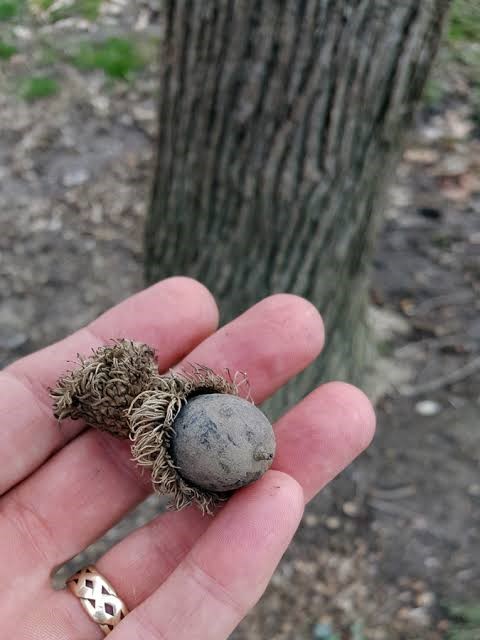
- Acorns: The clearest diagnostic clue. Its acorns are roughly 1 inch long and sit inside a deep, thick cup bordered by a distinct fringe of bristly scales—a softened version of the bur oak’s heavy “mossy” cup.
- Leaves: Alternate, lobed leaves measuring 4 to 8 inches long. They typically feature a deeper central sinus (indentation) characteristic of bur oak, paired with the paler, smoother underside and rounded lobes of white oak.
- Bark & Form: Mature trees develop light gray, deeply furrowed or scaly bark and can reach 60 to 80 feet in height with a broad, spreading crown.
Range and Ecological Value
Bebb’s oak occurs sporadically wherever the natural ranges of white oak and bur oak overlap—stretching across the Midwest, the Great Lakes region, parts of the Northeast, and southern Ontario.
Like both of its parent species, Bebb’s oak is an ecological powerhouse. Its sweet, low-tannin acorns mature in a single season and are heavily favored by white-tailed deer, wild turkeys, squirrels, and blue jays. Additionally, its foliage supports hundreds of native caterpillar species, which in turn sustain local songbird populations.
Landscape and Cultivation Notes
In cultivation, Bebb’s oak demonstrates classic hybrid vigor—often growing faster than pure white oak while tolerating a wider range of soil conditions, including dry clay, alkaline soils, and urban compaction. It prefers full sun, develops a deep taproot early in life, and turns shades of russet, orange, or golden-brown in autumn.